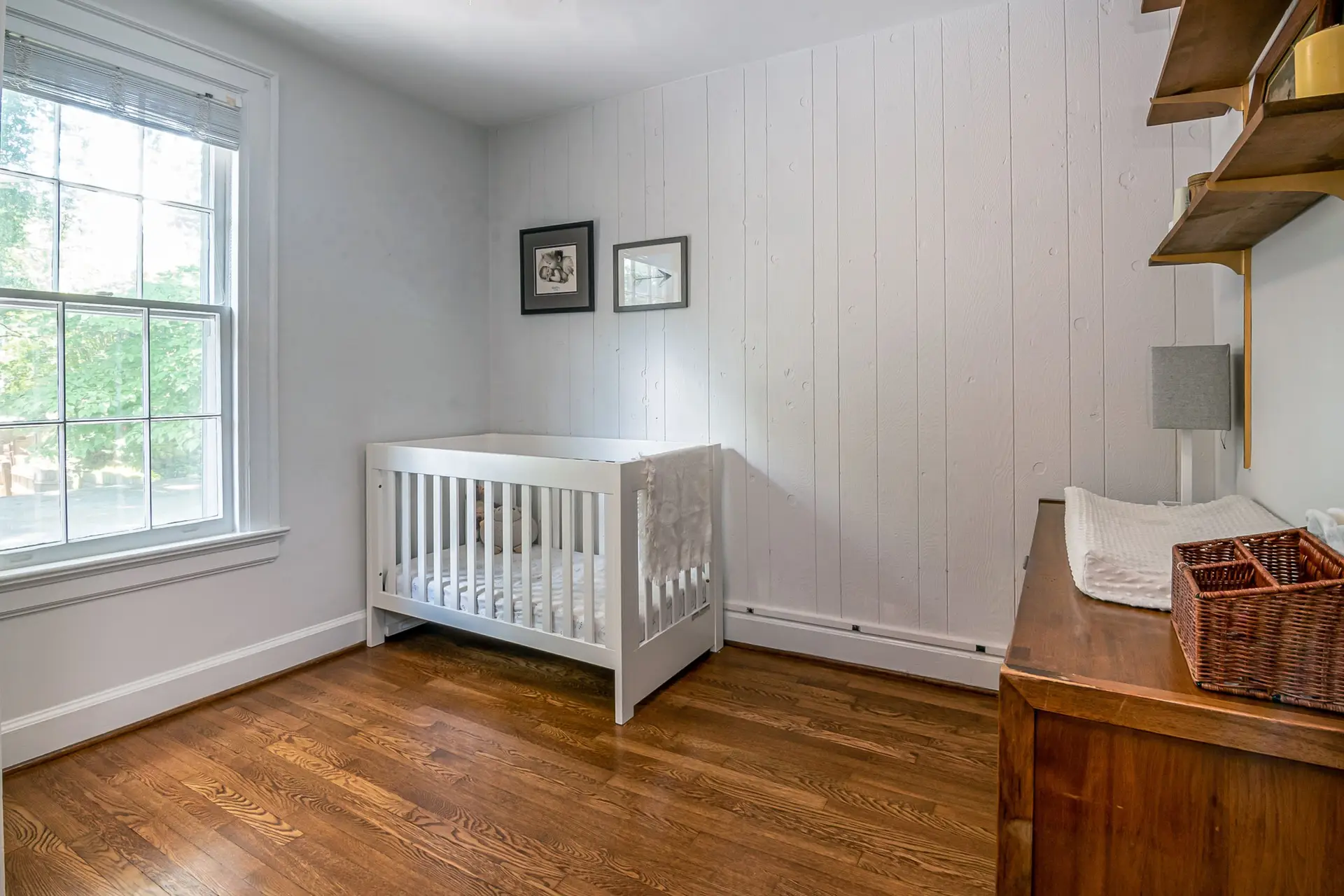
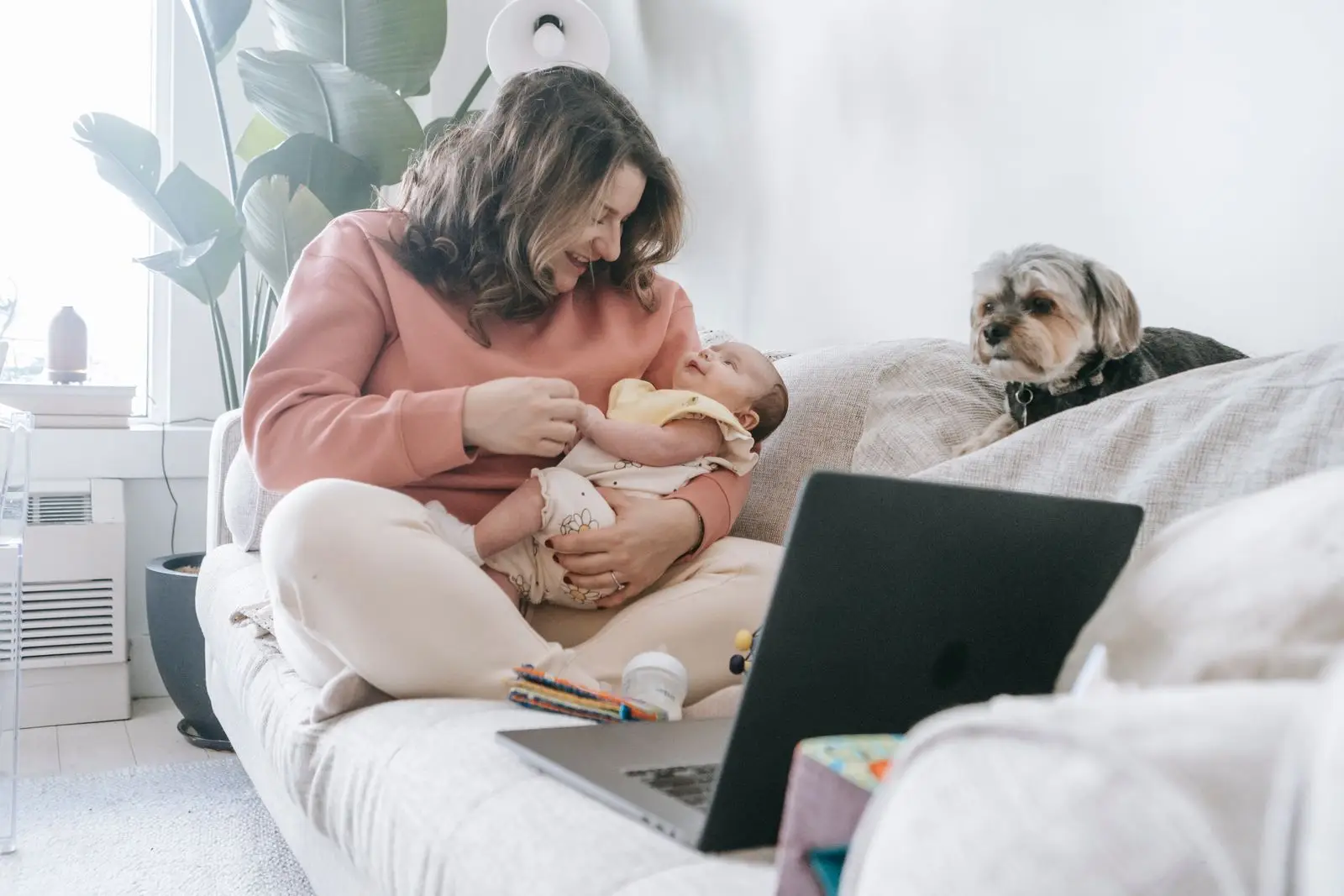
The moment a baby starts crawling, you begin looking at your floors differently. You notice that the dog walks on them, lies on them, and then the baby puts a hand on the same spot and then that hand goes straight into her mouth. Suddenly what you clean with is not an abstract question.
So you go looking for something safer, and you walk into a wall of packaging that says natural, green, plant based, eco, gentle, and non toxic. Here is the thing worth knowing before you spend another dollar: almost none of those words mean anything specific. They are marketing language, not regulated claims. A bottle can say natural and still contain the exact ingredient you were trying to avoid.
This is not a reason to give up. It is a reason to look at three or four things that actually do mean something.
Why the floor matters more than anything else
Adults interact with cleaning products mostly through their hands and their nose. A crawling baby interacts with the floor using her entire body, her face is inches from it for hours a day, and everything she touches ends up in her mouth. A dog is the same, plus the dog licks its paws after walking across every surface in the house.
That changes the priority order. The floor cleaner in your house matters more than the glass cleaner. Whatever is left behind on hard floors after it dries is the thing your two smallest family members will spend the most time in contact with.
It also means residue matters as much as ingredients. A product can be fine in the bottle and still leave a film that gets picked up on skin and paws for days. This is why the single highest value change most families make is not switching brands. It is rinsing.
The three things that actually tell you something
Certification from a third party. Words on the front are marketing. A certification mark means someone else reviewed the ingredients. The EPA Safer Choice label and the Green Seal mark are the two most useful to recognize in the United States. They are not perfect, but they mean a real review happened, which is more than natural means.
A full ingredient list. Cleaning products are not required to disclose everything, and fragrance in particular can cover a long list of undisclosed compounds. A company that publishes the complete list is telling you something about how it operates. A company that lists only “surfactants and fragrance” is telling you something too.
The absence of fragrance. If you change one thing, change this. Fragrance is the most common source of undisclosed ingredients and the most common trigger for respiratory irritation in small children. Fragrance free is a clearer and more useful goal than natural, and it is easy to verify.
Natural does not mean safe for pets
This is the part that surprises people most, and it matters in a house with a dog.
Several things marketed as natural cleaners are genuinely risky for animals. Concentrated essential oils are the main one. Tea tree oil, pine oil, and citrus oils are common in green cleaning products and in homemade recipes, and cats in particular metabolize them poorly. Dogs are more tolerant but not immune, especially with repeated exposure on floors they lie on and paws they lick. The ASPCA maintains public guidance on this and it is worth reading once.
Meanwhile, some of the most useful low risk cleaners are dull and old fashioned. Plain hot water and a good microfiber cloth removes an enormous share of what is on a household surface through mechanical action alone. Diluted white vinegar handles mineral deposits, though it should stay away from natural stone. Plain unscented soap and water is fine for most of a house most of the time.
Effective and safer usually looks boring. It rarely looks like the bottle with the leaf on it.
Disinfecting is not the same as cleaning, and you need less of it than you think
Cleaning removes things from a surface. Disinfecting kills microorganisms on a surface. They are different activities, and most of a home only needs the first one.
Disinfectants are, by design, made to kill living things, which is exactly why they deserve more caution than a general cleaner. There is a reasonable place for them: the diaper changing area, the kitchen after raw meat, bathroom surfaces, and the house during a stomach bug. There is no good reason to run a disinfecting wipe over a living room coffee table every day in a healthy household.
Two practical points if you do disinfect. First, almost every disinfectant requires the surface to stay visibly wet for a stated contact time, often several minutes, and wiping it dry immediately means it did nothing. Second, on any surface a baby or dog will touch, rinse with plain water afterward. Disinfecting wipes commonly contain quaternary ammonium compounds, which are effective and which you have no reason to leave sitting on a floor a toddler crawls across.
Do not mix anything
Worth stating plainly because it happens in real homes. Never combine bleach with ammonia, and never combine bleach with an acid such as vinegar or a descaler. Both combinations produce genuinely dangerous gas, and a small bathroom with the door closed is the worst possible place for it.
If you use bleach at all, use it alone, ventilate, and rinse.
The Aubrey factor nobody mentions
One thing specific to living out here in Denton County. Homes in Silverado, Sandbrock Ranch, and the newer stretches off US 377 are surrounded by open land, construction, and a lot of wind. That means more fine dust and more pollen tracked indoors than a comparable home in a dense older neighborhood, and a dog that goes outside is bringing a meaningful amount of it in on its coat and paws.
Which points at something useful: for families with babies and pets, how often the floors get cleaned matters more than which bottle is under the sink. Dust, dander, and pollen sitting on the floor are a bigger day to day exposure for a crawling baby than a well rinsed cleaner ever will be. Frequency beats formulation.
The questions to ask a cleaning company
If you are hiring help, most companies will say yes when you ask whether their products are safe for kids and pets. That answer costs nothing to give. These questions are harder to answer vaguely:
- What specific products do you use on hard floors, and can I see the labels?
- Are any of them certified by a third party such as Safer Choice or Green Seal?
- Do you use fragrance free options if I ask?
- Do you rinse floors after cleaning, or does the product stay on the surface?
- Will you use products I provide instead of yours?
- Do you disinfect everything by default, or only where it is needed?
A company that answers these specifically has thought about it. A company that just repeats that everything is natural has not.
How we handle homes with babies and pets
We will tell you exactly what we use, we will use fragrance free products on request, and we are happy to clean with products you provide if you have already settled on something you trust. We rinse hard floors rather than leaving cleaner sitting on them, and we reserve disinfectant for the surfaces that actually call for it instead of coating a house in it.
We also work around the dog rather than asking you to solve the dog. That is normal for us.
Call (214) 430-4447 or request a free quote. Ask us the six questions above when we talk. We would rather answer them than have you wonder. Most families here start with recurring cleaning in Aubrey, and add a deep cleaning first if the house has not had one in a while.