
Homes collect dirt slowly. Most homeowners only notice problems when buildup becomes visible. By that time, particles, grease, and moisture have already settled into surfaces and hidden areas. That is why monthly cleaning works as a deep reset that protects air quality, materials, and overall home condition. Busy families also need realistic systems. No one wants to spend entire weekends scrubbing hard-to-reach spaces. A structured monthly cleaning routine helps maintain areas that weekly routines cannot fully address. Over time, homes stay healthier, safer, and easier to manage without constant heavy work.
Why Deeper Home Maintenance Matters
Daily routines control clutter. Weekly routines manage visible dirt. However, deeper contamination continues building quietly in fabrics, grout lines, appliances, and ventilation zones. A consistent monthly cleaning reset helps stop long-term buildup before it damages surfaces or impacts indoor comfort. It also supports important home systems, including kitchen appliances, airflow components, and moisture-prone areas. Most homeowners notice early improvements like:
- Less stubborn kitchen grease buildup
- Fewer lingering bathroom odors
- Easier weekly maintenance sessions
Over time, monthly cleaning shifts home care from reaction to prevention.
Health Improvements Linked to Deeper Cleaning Routines
Many indoor contaminants live in places people rarely check. Dust mites hide in fabrics. Pet dander collects in upholstery. Moisture can allow microbial growth in hidden bathroom and laundry zones. A structured monthly cleaning schedule helps reduce these risks by removing trapped particles before they circulate through the home. Health-related benefits often include:
- Better breathing comfort indoors
- Reduced allergen exposure
- Less odor trapped in fabrics and carpets
- Cleaner high-humidity zones
Because monthly cleaning focuses on deeper zones, homes often feel fresher overall.
The 13 Monthly Cleaning Tasks That Protect Your Home
Deep maintenance feels manageable when broken into clear tasks instead of one large project. Core checklist tasks include:
- Deep clean baseboards and trim
- Remove dust buildup
- Prevent discoloration
- Clean inside kitchen appliances
- Microwave interior
- Refrigerator shelving
- Oven surface maintenance
- Wash window tracks and frames
- Remove dirt accumulation
- Reduce mold risk
- Deep clean bathroom grout
- Remove soap residue
- Reduce bacteria growth
- Dust ceiling fans and air vents
- Improve airflow quality
- Reduce circulating dust
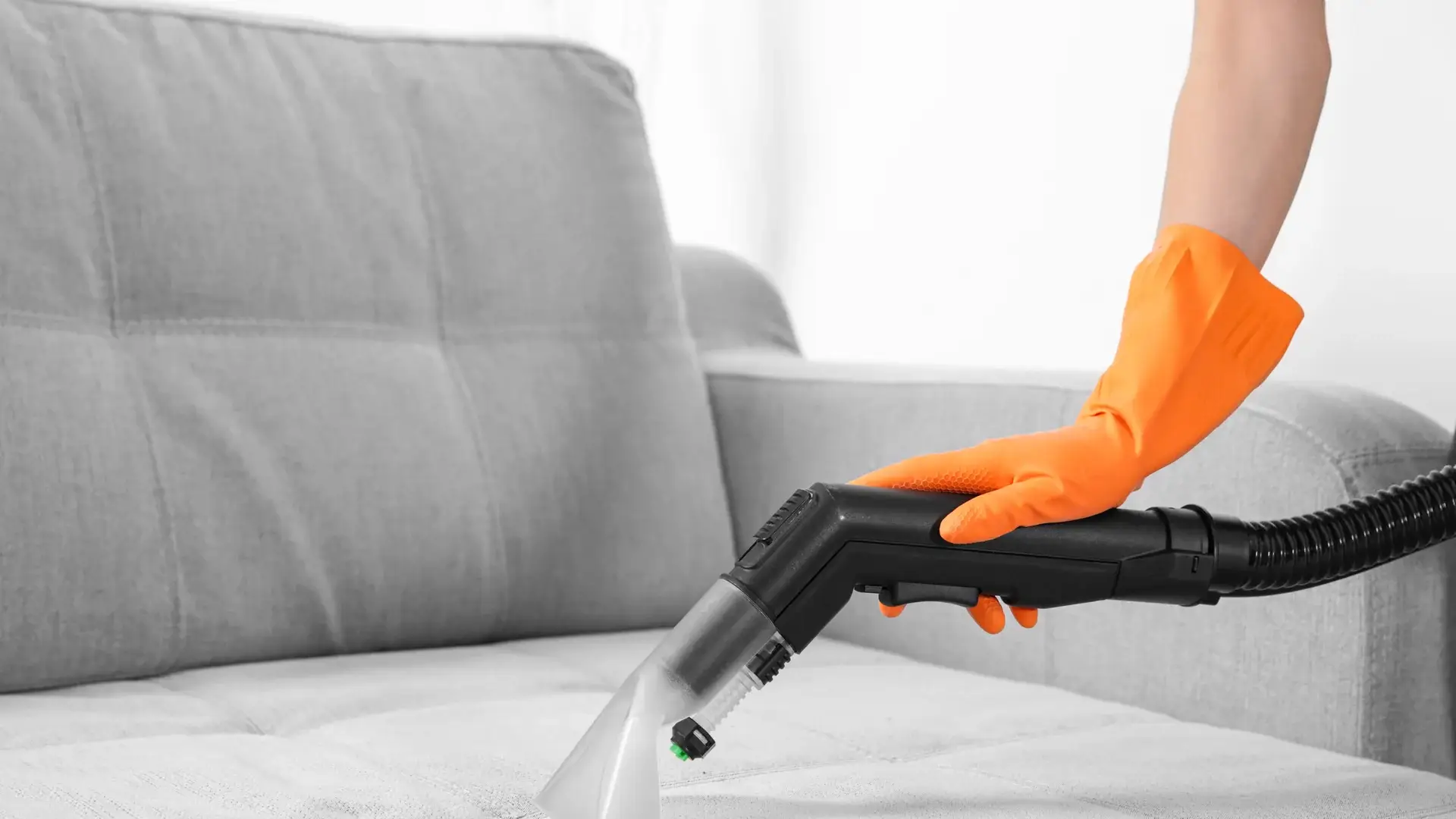
- Vacuum upholstery and mattresses
- Remove embedded particles
- Extend furniture lifespan
- Clean behind and under furniture
- Remove hidden debris
- Reduce pest attraction
- Sanitize trash cans
- Remove odor bacteria
- Improve hygiene
- Wash curtains or dust blinds
- Reduce airborne dust
- Improve indoor freshness
- Wipe cabinet exteriors
- Remove grease film
- Protect finishes
- Deep clean shower doors
- Remove mineral residue
- Prevent staining
- Clean light fixtures
- Improve lighting clarity
- Remove dust film
- Inspect and clean laundry areas
- Remove lint buildup
- Support appliance performance
Consistent monthly cleaning helps home systems perform more efficiently.
Building a Schedule That Fits Real Life
Consistency matters, but flexibility makes routines sustainable. Spreading tasks across the month prevents burnout. Example rotation:
Week 1
- Baseboards
- Air vents
- Light fixtures
Week 2
- Appliance interiors
- Cabinet exteriors
- Trash can sanitation
Week 3
- Upholstery and mattresses
- Curtains or blinds
- Shower glass deep clean
Week 4
- Under furniture cleaning
- Window tracks
- Laundry area reset
When structured this way, monthly cleaning feels realistic for busy homes.
How Monthly and Weekly Maintenance Work Together
These two systems support each other rather than compete. Weekly routines focus on:
- Surface cleaning
- Floor maintenance
- Bathroom quick refresh
- Kitchen sanitation
Monthly routines focus on:
- Hidden dust zones
- Appliance interior care
- Ventilation cleaning
- Deep moisture-area maintenance
When combined, monthly cleaning helps weekly tasks stay fast and manageable.
When Professional Deep Maintenance Helps Most
Some buildup requires specialized tools or commercial-grade products. Professional services can help when:
- Odors return quickly after cleaning
- Dust reappears faster than expected
- Bathroom finishes lose shine quickly
- Indoor allergies feel worse
Professional monthly cleaning can safely remove deeper buildup while protecting delicate surfaces.
Making Deeper Maintenance Work With Busy Schedules
Deep maintenance does not have to be overwhelming. Small planning steps make it realistic. Helpful strategies include:
- Completing one deeper task each weekend
- Pairing deep care with seasonal resets
- Using outside help during busy seasons
Over time, monthly cleaning reduces total cleaning workload.
Supporting Rental and Investment Properties
Rental spaces depend heavily on consistency. Guests often notice subtle cleanliness differences even when spaces look visually clean. Priority deep-care areas often include:
- Mattress sanitation
- Vent cleaning
- Bathroom grout care
- Appliance deep sanitation
Strong monthly cleaning helps maintain property condition and guest satisfaction.
Common Deep Cleaning Mistakes to Avoid
Even strong routines lose effectiveness when key details are missed. Avoid:
- Skipping hidden surfaces
- Using harsh chemicals on sensitive finishes
- Ignoring ventilation systems
- Scrubbing aggressively on delicate materials
Avoiding these helps monthly cleaning stay effective long term.
Protecting Long-Term Home Value
Preventive care protects property investment. Small maintenance steps reduce long-term repair risks. Financial advantages often include:
- Lower repair costs
- Longer appliance lifespan
- Better HVAC system performance
- Reduced need for restoration cleaning
Because monthly cleaning prevents damage accumulation, homeowners often save money over time.
The Calm Reset That Keeps Homes Feeling New
Deep maintenance is not about doing more work. It is about preventing future problems. Small resets create long-term stability. When homeowners maintain a monthly cleaning rhythm, homes stay easier to manage and more comfortable to live in. Routines reduce stress and improve daily flow. If schedules become overwhelming, professional services can support monthly cleaning goals while homeowners keep control of their home care standards. In the long run, monthly cleaning protects your home, your health, and your comfort. Preventive maintenance almost always costs less than repair, and small monthly resets build stronger living spaces over time.