A deep clean is not the same as a regular tidy-up. It covers surfaces, appliances, fixtures, and areas that routine maintenance rarely reaches, and it takes the right order, the right products, and enough time to do properly.
This deep cleaning checklist walks through every room in the house, from the kitchen to the garage, with the same standards professional cleaners use. Work through it once and you will know exactly what has been done and what has not.
What this checklist covers:
- Supplies you need before you start
- Kitchen, bathrooms, bedrooms, and living areas
- Floors and overlooked spaces
- How often a deep clean should happen
- Signs your home needs one now
What makes a deep clean different
A regular clean maintains surfaces that are already reasonably clean. A deep clean goes further: it removes buildup from inside appliances, scrubs grout, cleans behind furniture, wipes cabinet interiors, and addresses the kind of accumulation that develops over weeks or months.
The difference shows in the details. Regular cleaning keeps a home presentable. Deep cleaning keeps it genuinely sanitary and extends the life of surfaces, fixtures, and appliances.
Most homes benefit from working through a deep cleaning checklist two to four times a year. High-traffic households, homes with pets, or spaces that have not been thoroughly cleaned in six months or more may need one sooner.
Supplies to gather before you start
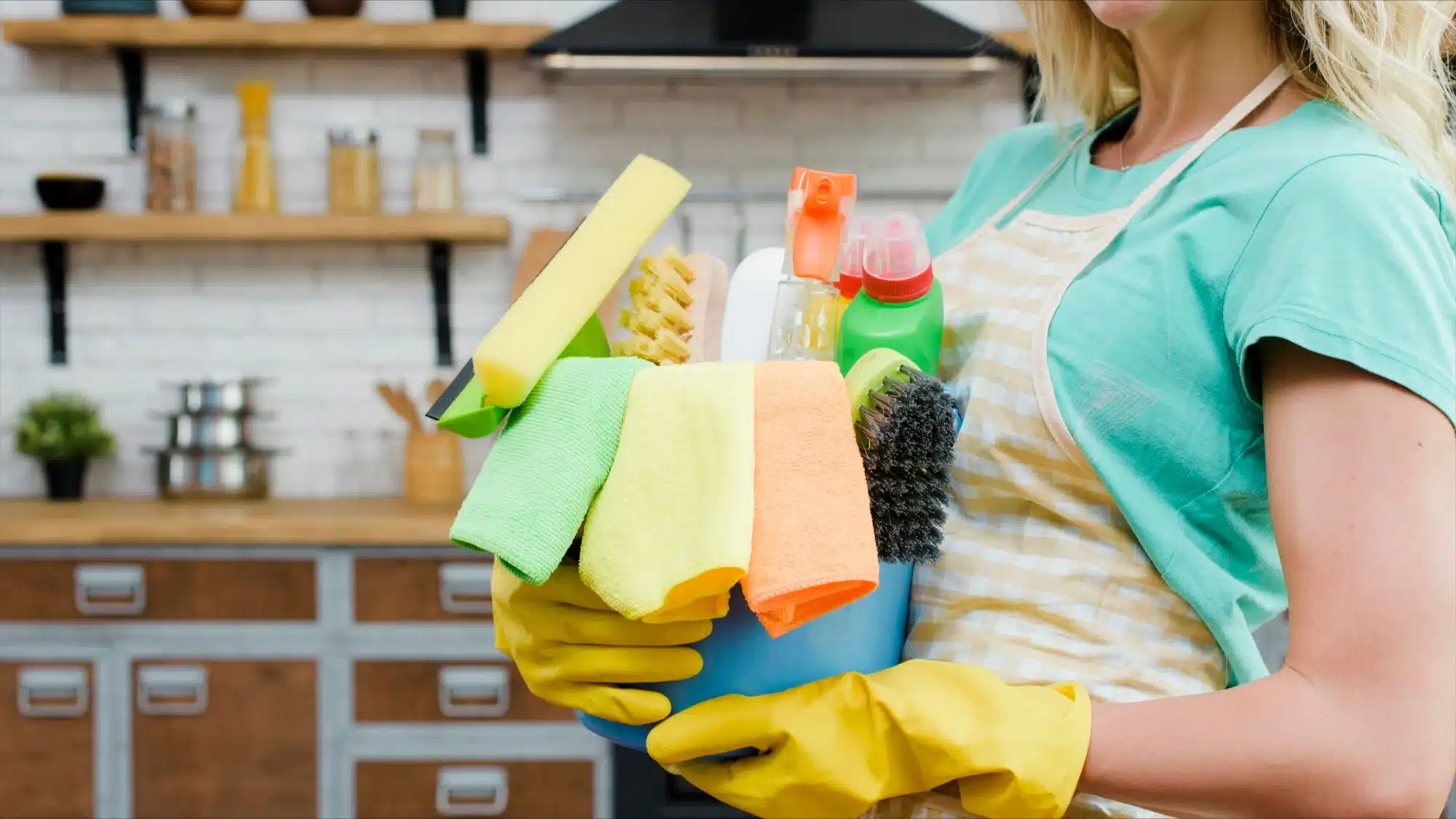
Having everything ready before you begin saves time and prevents you from stopping mid-task to find something. These are the supplies you need to work through a full deep cleaning checklist properly.
- All-purpose cleaner
- Degreaser (kitchen surfaces and appliances)
- Bathroom disinfectant
- Citric acid or white vinegar (limescale and mineral deposits)
- Scrub brush with stiff bristles (grout, tile, stovetop)
- Microfiber cloths (several, for different surfaces)
- Vacuum with crevice and upholstery attachments
- Mop and bucket
- Rubber gloves
- Step stool or small ladder (ceiling fans, top of cabinets)
- Magic eraser or melamine sponge (scuffs on walls and baseboards)
Work top to bottom in every room. Clean ceiling fans and light fixtures first, then walls and surfaces, then floors last. Dust and debris fall downward, so working in order means you are not re-dirtying surfaces you have already cleaned.
Kitchen: the room that takes the most time
The kitchen is the heaviest section of any deep cleaning checklist. Grease, food residue, and limescale build up faster here than anywhere else in the house, and the surfaces that matter most to inspectors and guests are all concentrated in one room.
Oven and stovetop
- Apply oven cleaner to the interior and let it sit for at least 20 to 30 minutes
- Remove racks and soak them separately in hot, soapy water
- Scrub the oven interior, glass door, and door seals once the cleaner has worked
- Clean burner grates and drip pans on the stovetop
- Degrease the range hood, filter, and the wall behind the stove
Professional cleaners consistently flag the oven as the most neglected surface in a home deep clean. Baked-on grease inside the oven is also one of the most common reasons for deposit deductions during move-out inspections.
Refrigerator and freezer
- Remove all food and defrost the freezer if needed
- Take out all shelves and drawers and wash them separately with dish soap
- Wipe down interior walls, floor, and ceiling of the fridge
- Clean the rubber door gaskets with a damp cloth
- Wipe the exterior, including the top and sides
- Pull the fridge out and clean the floor and wall behind it
Cabinets, counters, and sink
- Empty every cabinet and drawer completely
- Wipe inside shelves and the inside of drawer liners
- Clean cabinet door fronts, paying attention to the area near the stove where grease splashes
- Degrease and wipe all countertop surfaces and the backsplash
- Descale the faucet and hardware with white vinegar or a citric acid cleaner
- Scrub the sink basin and clean the garbage disposal with dish soap and ice cubes
Small appliances and extras
- Wipe down the microwave inside and out
- Clean the coffee maker, toaster, and any other countertop appliances
- Wipe light switches and outlet covers
- Clean the inside of the pantry if applicable
Bathrooms: disinfect at depth, not just the surface
The bathroom section of a deep cleaning checklist focuses on disinfecting at depth, not just surface wiping. Soap scum, hard water deposits, and mildew in grout lines are the three areas that matter most.
Shower, tub, and grout
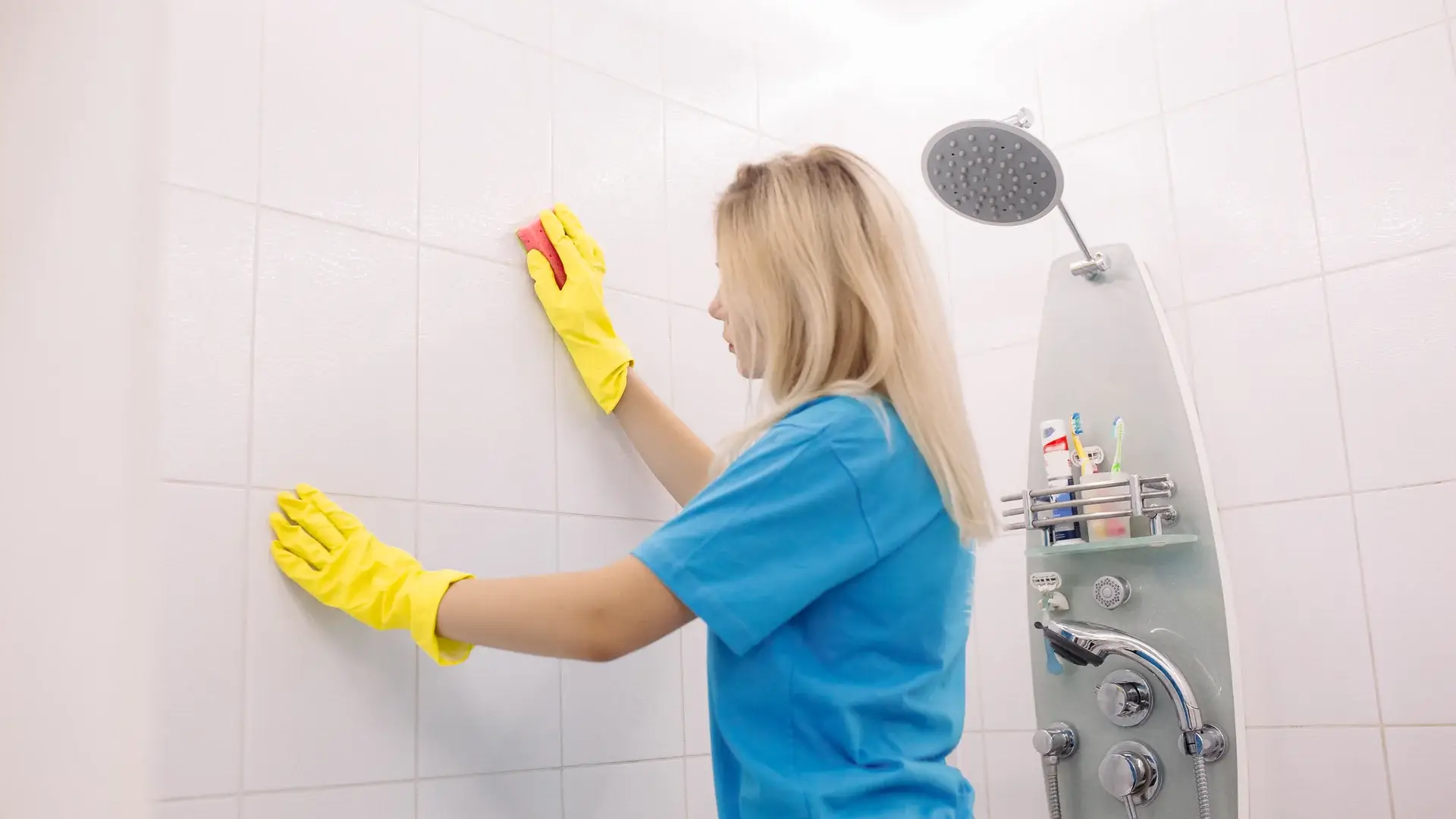
- Apply a heavy-duty bathroom cleaner to shower walls and tub and let it sit for 10 to 15 minutes
- Scrub grout lines with a stiff brush to remove discoloration and mildew
- Rinse glass doors thoroughly and dry with a lint-free cloth to avoid streaks
- Clean the showerhead by soaking it in white vinegar for 30 minutes to remove mineral buildup
- Wipe down the shower door frame and any metal tracks
According to the CDC’s guidelines on healthy homes, moisture and poor ventilation are the main causes of mold and mildew growth in residential bathrooms. Scrubbing grout and drying surfaces thoroughly after each use significantly reduces the conditions that allow mold to develop.
Toilet
- Clean inside the bowl with toilet cleaner, including under the rim
- Wipe the outside: tank, lid, seat, base, and the floor around it
- Disinfect the handle and the flush button
- Check and clean the area behind the toilet, which accumulates dust and is easy to overlook
Vanity, mirrors, and fixtures
- Polish mirrors with glass cleaner and a lint-free cloth
- Descale chrome fixtures and faucets
- Empty vanity drawers and cabinets, wipe them out, and remove any product residue
- Clean the vanity countertop completely
- Wipe light fixtures and check for burnt-out bulbs
Bedrooms: dust and allergens hide where you sleep
Bedrooms are often the most overlooked section of a deep cleaning checklist. Dust, allergens, and pet dander accumulate on surfaces that most routine cleans miss, including mattresses, closet shelves, and the tops of ceiling fans.
Surfaces and fixtures
- Wipe ceiling fan blades on the top side, where dust accumulates thickest
- Dust light fixtures and lamp shades
- Wipe down all furniture surfaces, including the tops and sides
- Clean mirrors and glass surfaces
- Wipe baseboards and the tops of door frames
- Clean window sills, tracks, and blinds
Mattress and bedding
- Strip and wash all bedding, including duvet covers and pillow protectors
- Vacuum the mattress surface using the upholstery attachment
- Flip or rotate the mattress if the manufacturer recommends it
- Vacuum under the bed and along the edges of the room
Closets
- Remove everything from shelves and wipe them down
- Vacuum the closet floor completely
- Wipe the closet rod and any hanging organizers
- Check for items that have been stored and forgotten
Living areas: the surfaces people clean around
Living rooms and common spaces are used daily, but this section of the deep cleaning checklist addresses the layer of dust that builds up on surfaces most people clean around rather than directly.
Upholstered furniture
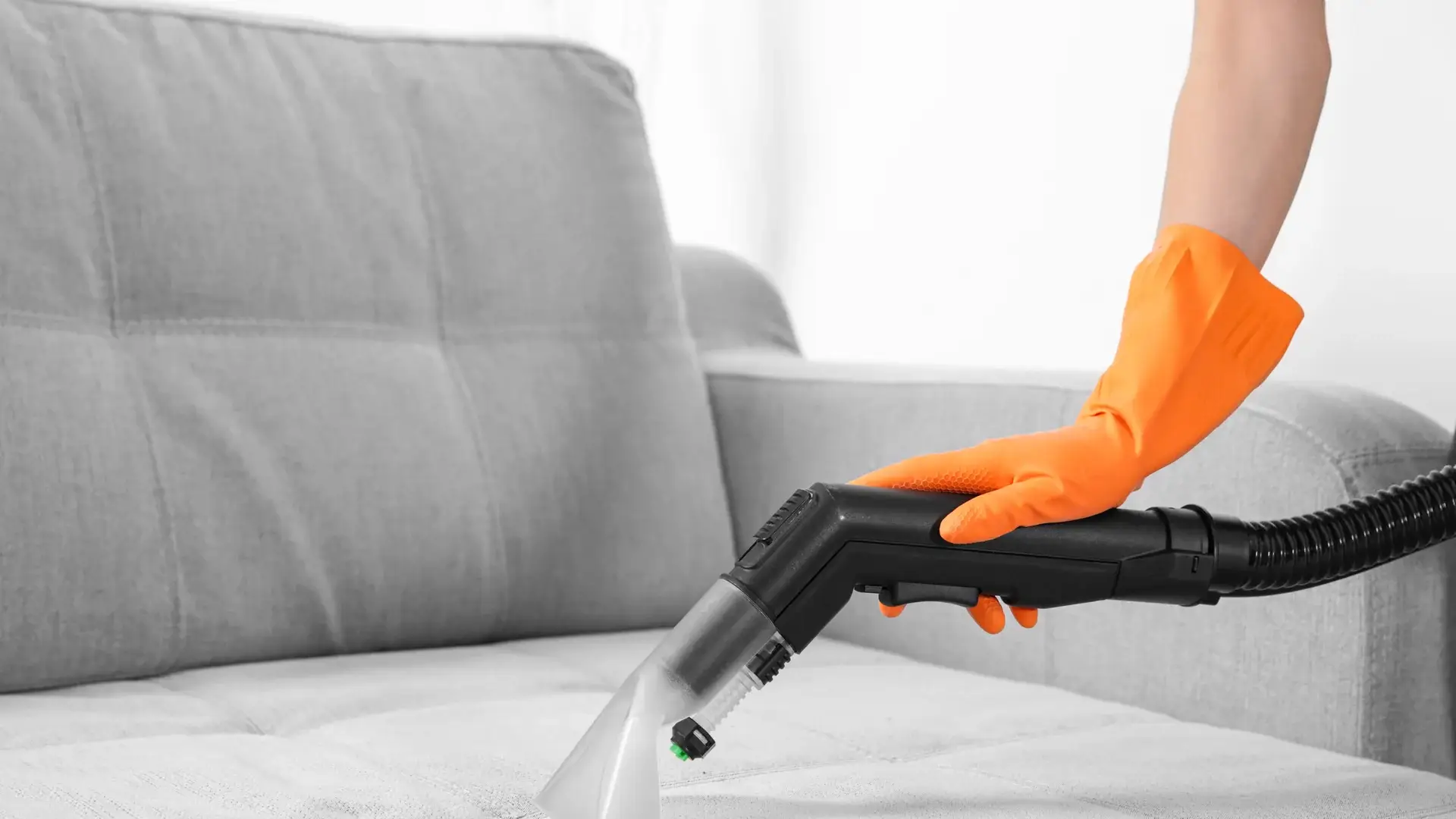
- Vacuum all sofa and chair cushions, including the sides and the crevices between cushions
- Remove cushions and vacuum the base of the sofa
- Spot-treat any visible stains with an appropriate upholstery cleaner
- Vacuum or wipe down any throw pillows
Surfaces and walls
- Dust all shelves, picture frames, decorative objects, and electronics
- Wipe down television screens with a dry microfiber cloth
- Clean light switches, remote controls, and door handles
- Check walls for scuff marks and clean with a magic eraser or mild soap
- Wipe baseboards throughout the room
Windows and blinds
- Clean window glass from the inside
- Wipe window sills and tracks
- Dust blinds with a microfiber cloth or vacuum attachment
- Wipe curtain rods and check if curtains need washing
Floors: always the last step
Floors come last on any deep cleaning checklist. Work from the farthest point in each room toward the exit so you do not walk over clean surfaces.
Carpets
- Vacuum thoroughly with slow, overlapping passes
- Use the crevice attachment along walls and edges
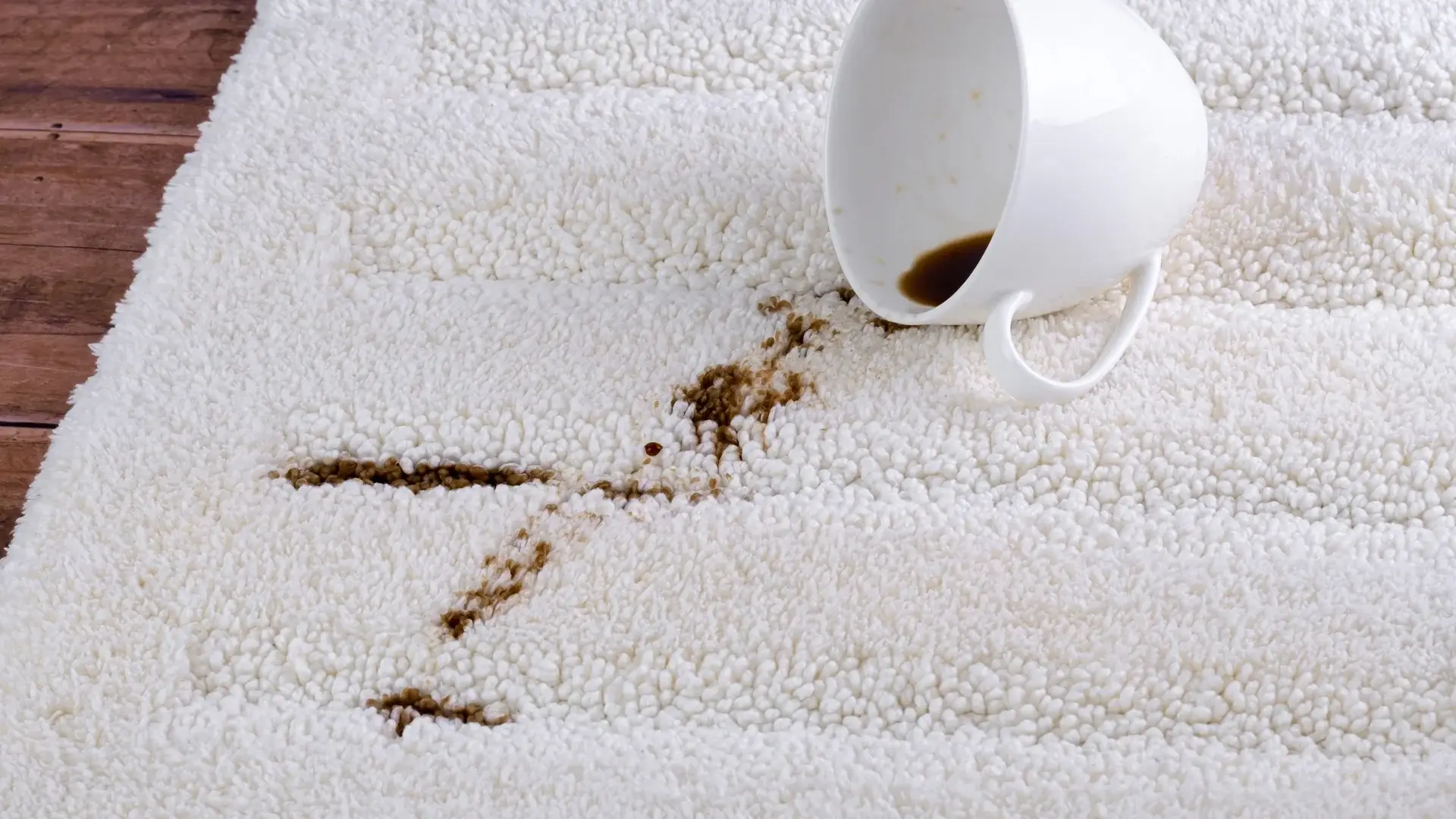
- Spot-treat any stains before they set further
- Move furniture if possible to vacuum beneath it
Hard floors
- Sweep or dry-mop to remove loose debris before mopping
- Mop with a cleaner appropriate for the floor type (avoid excess water on hardwood)
- Pay attention to corners and the areas near walls where buildup concentrates
- Check tile grout and scrub if staining is visible
Laundry room, garage, and utility spaces
- Wipe down the washer and dryer exterior and clean the lint trap thoroughly
- Run a cleaning cycle on the washing machine if it has not been done recently
- Sweep the garage floor
- Wipe shelving in utility areas and discard expired or unused products
Signs your home needs a deep clean now
Most people schedule deep cleans seasonally, but certain situations call for one sooner. If any of the following apply, it is time to go through the full deep cleaning checklist:
- Allergy symptoms at home: Dust mites, pet dander, and mold spores are common indoor triggers. A deep clean removes the buildup that feeds them.
- Visible dust on fan blades or vents: If ceiling fan blades are visibly dusty, the HVAC system and other surfaces are likely worse.
- Odors that do not go away: Persistent smells in the kitchen or bathroom usually indicate buildup inside appliances or grout that a surface clean has not reached.
- After illness in the household: Disinfecting high-contact surfaces and shared spaces reduces the risk of spreading illness.
- Before hosting guests or after a long period away: Homes that have been closed up accumulate dust and stale air quickly.
Frequently asked questions
How long does a deep clean take? For a two-bedroom home in average condition, expect four to six hours if you are working alone. A professional team of two typically completes the same space in two to three hours. Larger homes or properties with significant buildup take longer in either case.
How often should I deep clean my house? Two to four times a year is a reasonable baseline for most households. Going through the full deep cleaning checklist every quarter keeps buildup from getting ahead of you. Homes with pets, children, or anyone with allergies benefit from a more frequent schedule, typically every two to three months.
What is the difference between a deep clean and a regular clean? A regular clean maintains surfaces that are already in reasonable condition: sweeping, mopping, wiping counters, and cleaning bathrooms at a surface level. A deep cleaning checklist covers the inside of appliances, grout lines, cabinet interiors, areas behind furniture and appliances, and buildup that accumulates over time. The scope is significantly broader, and so is the time required.
Can I deep clean one room at a time instead of the whole house? Yes, and it is often more practical. Rotating through rooms over several weekends is a manageable approach for busy households. Kitchens and bathrooms are the highest priority and benefit most from the extra attention.
What products do I need for a deep clean? An all-purpose cleaner, a degreaser, a bathroom disinfectant, and a limescale remover cover most surfaces. Microfiber cloths, a stiff scrub brush, and a vacuum with multiple attachments are the most useful tools. Avoid mixing bleach and ammonia-based products, as the combination produces harmful fumes.
When does it make sense to hire a professional deep cleaning service? When the home has not been thoroughly cleaned in several months, when you are preparing a property for sale or rent, or when the kitchen and bathrooms need more work than a single day can realistically cover. A professional deep cleaning service ensures the job meets a consistent standard without the time investment of doing it yourself.
Keep the standard once you have it
A deep clean is easier to maintain than to start from scratch. Once every room is at baseline, regular upkeep keeps it there without requiring another full-day effort.
The areas that slip fastest are the ones people clean around: inside the oven, behind the fridge, grout lines in the shower, and the tops of ceiling fans. Coming back to those spots every few months, even briefly, prevents the kind of buildup that turns a two-hour deep cleaning checklist into a six-hour one.
If you want the deep cleaning checklist handled by a professional team in the McKinney, Plano, Frisco, or wider DFW area, E&R’s deep cleaning service covers every item on this list, with a satisfaction guarantee.