There is a specific problem that shows up in Allen households every autumn, and it is not ragweed by itself. It is the household where someone reacts to the pollen outside and also reacts to the products used to clean it up inside.
That person spends September and October caught between two irritants, and the usual advice to clean more thoroughly makes it worse rather than better. Here is how to handle both sides of it.
The Allen Fall Calendar
Ragweed is the dominant fall allergen in North Texas and it typically runs from late August through the first hard freeze, which here can be November or later. Mold spores rise after rain and stay elevated through leaf fall. And the first cold snap is when everyone closes the house and switches on the heat, which stirs everything that settled in the ductwork over the summer.
So the season has two distinct phases: outdoor pollen coming in, then a sealed house recirculating whatever came in. They need different responses.
Cut the Pollen at the Door
Most of what ends up in your bedroom arrived on a person.
Pollen travels indoors on hair, clothing and pets. Someone who has been at practice at Celebration Park or walking the trails around Bethany Lakes brings a meaningful load home on their body. Changing clothes on arrival and showering before bed rather than in the morning makes a bigger difference to overnight symptoms than anything you spray on a surface.
Keep windows closed during the day even when the weather makes it tempting, and change the HVAC filter monthly through the season rather than quarterly.
Now the Products Problem
This is the part most seasonal cleaning advice ignores entirely.
Fragrance is the most common trigger among cleaning products, and the word fragrance on a label can cover a large number of undisclosed compounds. Aerosols are the second issue, because spraying puts everything into the breathing zone of whoever is holding the bottle. Ammonia based glass cleaners and chlorine bleach are both respiratory irritants, and in a bathroom with the door closed they are a genuinely poor choice for anyone with asthma.
The words natural, green and non toxic are unregulated and guarantee nothing. What does mean something is third party certification: the EPA Safer Choice label, Green Seal, and Design for the Environment on disinfectants. Those involved someone independent reviewing the full ingredient list.
What to Use Instead, Specifically
Fragrance free rather than unscented, which are different things. Unscented often means a masking fragrance was added to cover the base smell.
A damp microfiber cloth for most surfaces, which handles a surprising amount with water alone and puts nothing into the air.
Certified products where a cleaner is genuinely needed, and a registered disinfectant only where disinfection actually matters, meaning kitchen surfaces after raw food and bathroom fixtures, not the whole house.
And whatever you use, dilute it correctly rather than by eye. Overdosing is what leaves residue on the surface and product in the air.
Technique Matters More Than the Bottle
For an allergic household, how you clean outranks what you clean with.
Wipe rather than spray wherever possible, since aerosolizing is the problem. Vacuum with genuine HEPA filtration, because a vacuum without it takes fine allergen off the floor and puts it into the air. Wipe baseboards damp rather than dusting dry, since dry dusting relocates the load rather than removing it. Ventilate while you work and afterward. And never mix products, particularly anything with bleach and anything with ammonia.
Have the affected person out of the room while it is being cleaned, and give it time to settle before they return.
Go After the Reservoirs, Not the Surfaces
Wiping a coffee table achieves very little for an allergic household. The load sits in the places nobody sees from standing height and gets redistributed every time the heat kicks on.
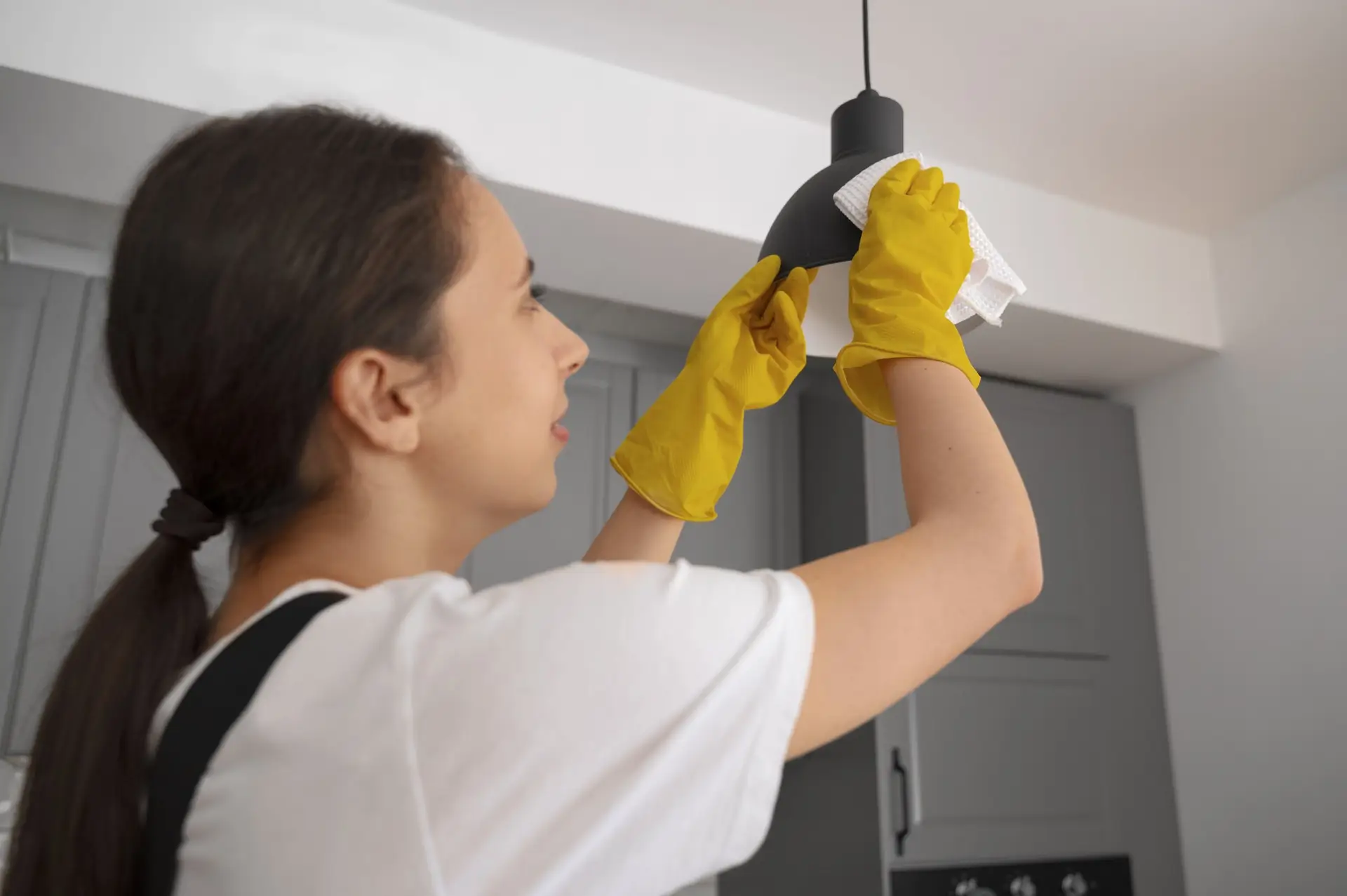
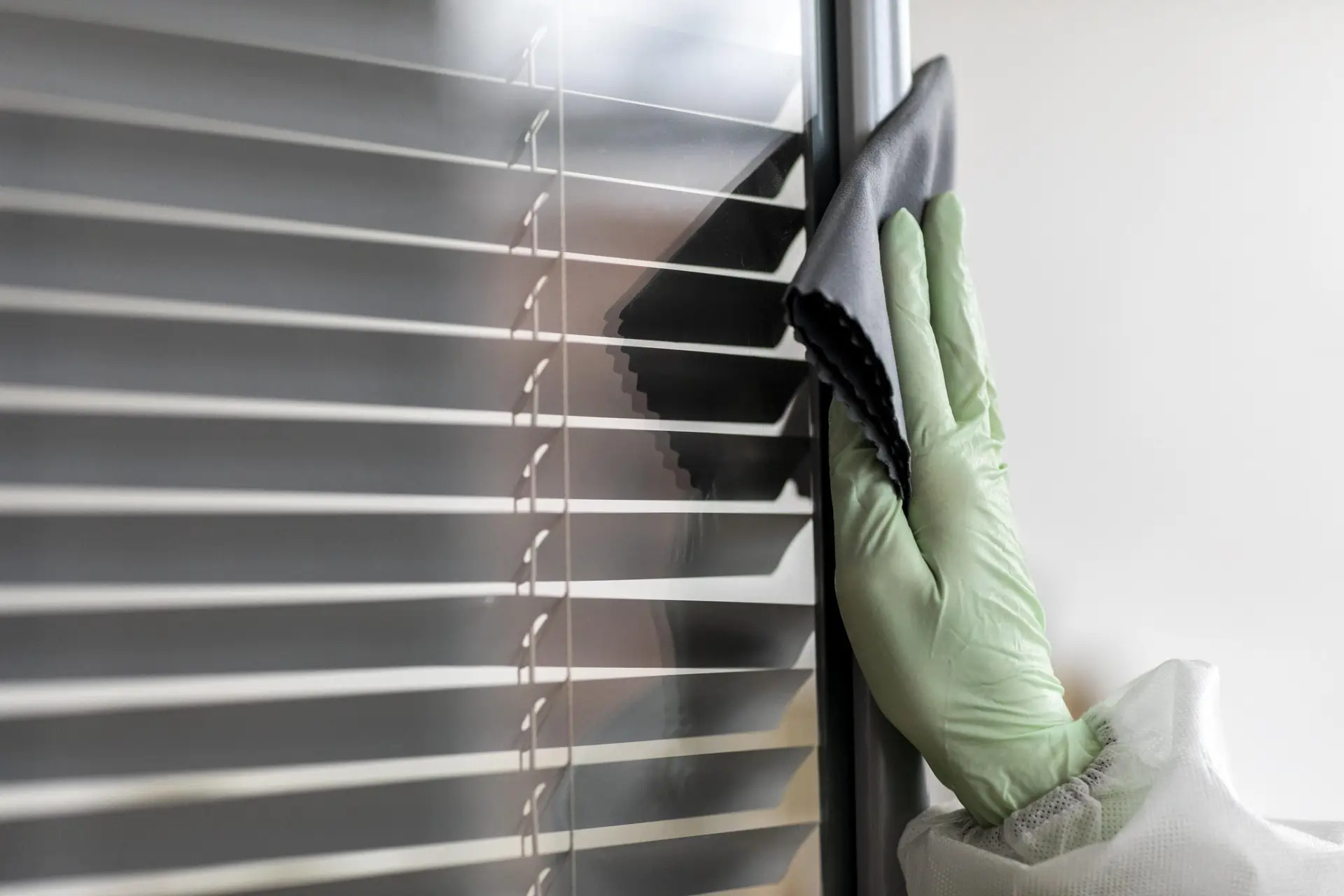
Ceiling fan blades, the tops of door casings and cabinet crowns, blind slats and window sills, closet shelving, vent covers pulled and washed rather than wiped in place, under the bed, and the perimeter of every room where settled particles collect.
And the highest value target of all is the bedroom, because that is eight uninterrupted hours of exposure. Allergen proof encasements on the mattress and pillows, bedding washed weekly in hot water, and less fabric in the room do more than any amount of cleaning elsewhere.
Book It Before the House Closes Up
The useful timing is a thorough pass in October, before the first cold snap seals the house for the winter. Do it after and you spend the season circulating what you could have removed.
Call (214) 430-4447 or request a free quote online. Tell us who is affected and what they react to, including whether they react to cleaning products themselves. We use low fragrance products by default, we will use certified options throughout on request, and we will tell you honestly where we think something stronger is warranted rather than deciding for you.
We serve Allen, McKinney, Frisco, Plano, Prosper and Fairview.
Keep Reading
- The Bedroom First Allergen Protocol
- What Eco Friendly Labels Actually Mean
- Cleaning Safely Around Babies and Pets
- Hidden Spots Where Allergens Collect
- How to Deep Clean a Mattress
Want Your Home to Look Like This Without the Work?
Tell us about your place and we will send you a price. No walkthrough required, no obligation.
- Free quote with no obligation
- Non toxic and pet friendly products
- Bonded and insured, serving DFW since 2002
- 24 hour guarantee on our service
Prefer to talk? (214) 430-4447
By completing this form I acknowledge that I will receive informational text messages from E&R Cleaning Services. I can opt out at any time by replying STOP. Standard message rates may apply.