You spend roughly a third of your life on your mattress, and it is the single least cleaned object in most houses. It also happens to be the largest reservoir of dust mite allergen in the average home, which matters enormously if anyone in the house wakes up congested and blames the season.
Here is the honest version of what can be done, what cannot, and which part actually matters.
Understand What You Are Removing
A mattress accumulates shed skin, body oil, sweat, and dust mites that feed on the skin. The allergen is in the mite waste rather than the mites themselves, and it is why an allergic person often feels worst in the first hour after lying down and in the morning.
Two things follow. First, the goal is reducing the load rather than eliminating it, because elimination is not achievable. Second, the encasement matters more than the cleaning, which we will get to.
The Method
Strip everything and wash it hot. Sheets, pillowcases, mattress protector and, if the label allows, the pillows themselves. Temperature is the variable that matters for dust mites, so wash as hot as the fabric permits.
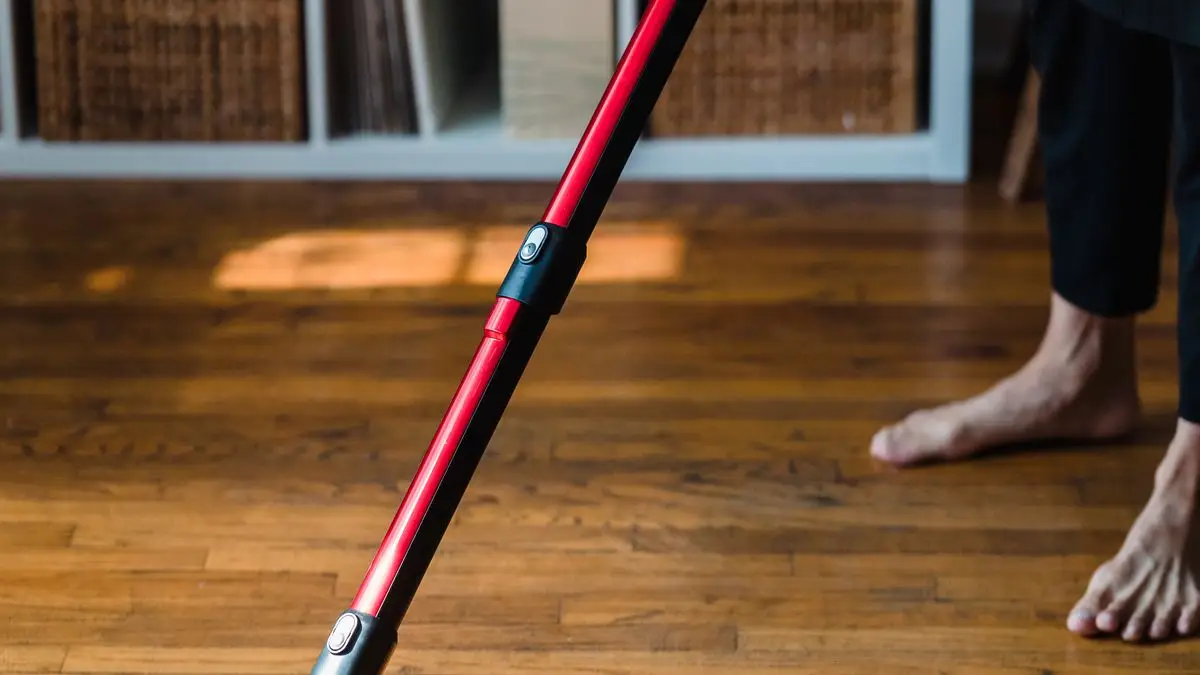
Vacuum the whole surface with an upholstery tool, using genuine HEPA filtration. Without HEPA you are moving fine allergen from the mattress into the air of the bedroom, which is worse than not vacuuming. Go slowly, overlap your passes, and pay particular attention to the seams and the piping around the edge, which is where the heaviest accumulation is.
Deodorize with baking soda. Sift a generous layer across the whole surface and leave it for several hours, ideally most of a day with a window open. Then vacuum it all off thoroughly, which takes longer than people expect and is worth doing properly.
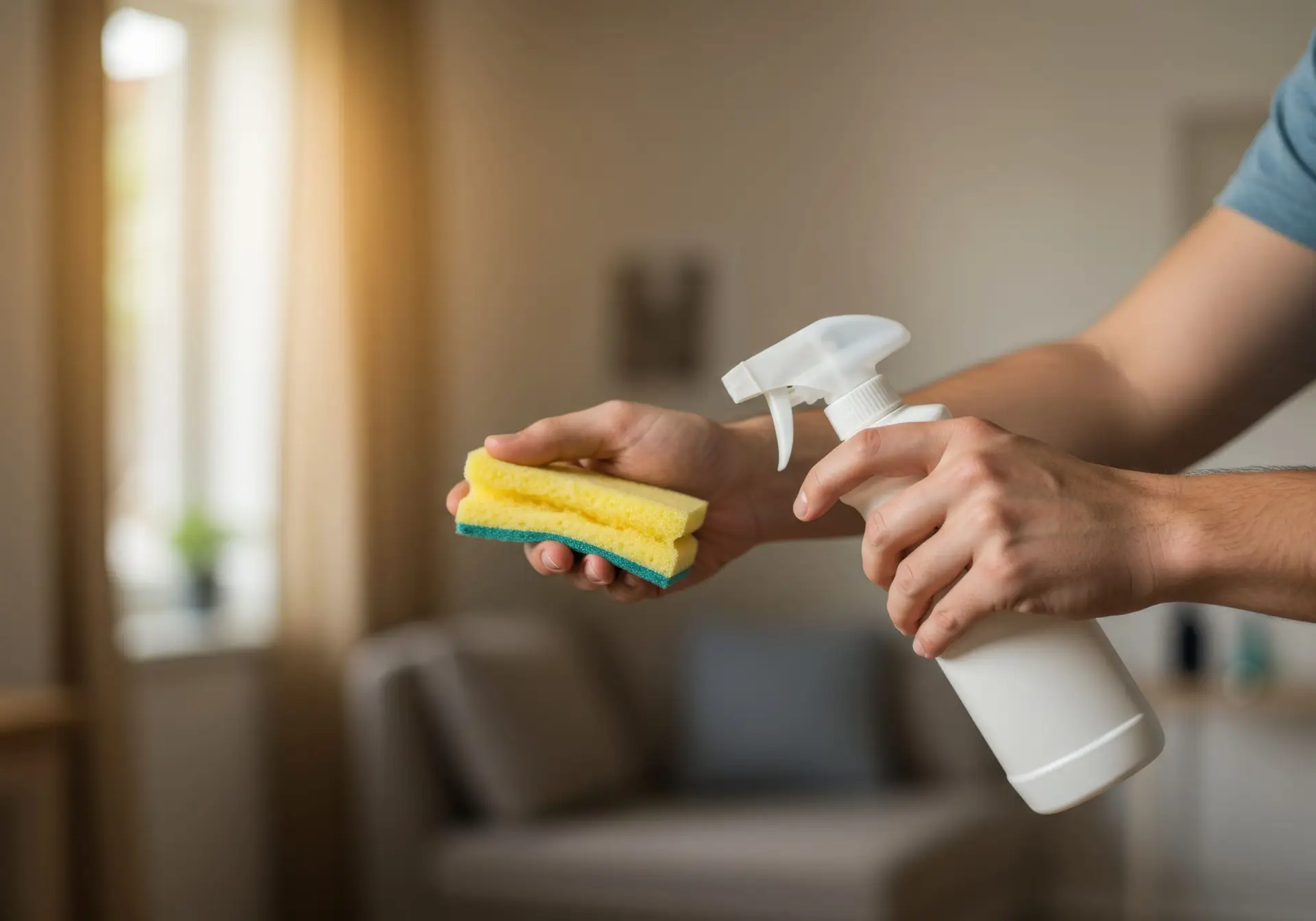
Spot treat stains, and know which kind you have. Body fluids, sweat and urine are protein and organic, and they need an enzyme cleaner, not soap. Enzymes break the source down rather than masking it, which is why they work when nothing else does. Apply, keep it damp for the time on the label, blot, and let it dry completely.
Dry it fully before anything goes back on. A mattress that is damp inside is a mold problem waiting to happen. Fan, open window, and be patient.
Rules That Prevent Damage
Never soak a mattress. Whatever goes in has to come out, and it mostly does not. Blot rather than rub, since rubbing drives the stain deeper and damages the fibers.
Never use a steam cleaner on a mattress. It puts more moisture in than can evaporate, particularly in a memory foam or hybrid core.
Do not use bleach or harsh chemicals on a sleeping surface, and skip hydrogen peroxide on anything colored.
And check the manufacturer’s care instructions, because many mattress warranties are voided by wet cleaning.
The Part That Matters More Than All of It
If someone in the house has allergies or asthma, the highest value action is not cleaning the mattress. It is a zippered allergen proof encasement over the mattress and the pillows.
An encasement puts a barrier between the sleeper and the entire reservoir, which is more effective than any cleaning cycle and it works continuously rather than once. Combine it with weekly hot washing of bedding and keeping indoor humidity between roughly thirty and fifty percent, since dust mites need humidity to survive and North Texas summers are humid.
Allergy specialists consistently put encasements and hot washing above mattress cleaning for this reason, and it is worth knowing before you spend a Saturday on the wrong task.
What Cleaning Will Not Fix
Be straight about this before spending money. A mattress with deep set urine that soaked to the core, a persistent musty smell indicating mold inside, visible sagging or broken support, or bed bugs is not a cleaning problem.
Bed bugs in particular require a pest professional, and no cleaning approach resolves them. A mattress past roughly eight to ten years is usually a replacement conversation rather than a restoration one.
Do It on a Schedule
Vacuum the mattress when you change the sheets, or at least monthly. Deodorize with baking soda every few months. Rotate it as the manufacturer specifies. Wash the protector monthly, and remember that a protector only helps if it is actually being washed.
The Bedroom Deserves the Same Attention
The mattress is one part of a room where someone spends eight uninterrupted hours. The rest of the allergen load in a bedroom sits on ceiling fan blades, blind slats, the tops of door frames, closet shelving, under the bed and along the baseboards, and it gets redistributed every time the air handler cycles.
Call (214) 430-4447 or request a free quote online. Tell us whether anyone in the house has allergies or asthma, and we will build the visit around the bedrooms and the reservoirs rather than the surfaces that merely look dusty.
Keep Reading
- How to Care for Microfiber Cleaning Cloths
- How to Clean a Leather Chair
- How to Clean an Upholstered Chair
Rather hand the work to a team that does this every day? See our deep cleaning service or call (214) 430-4447 for a free quote.