
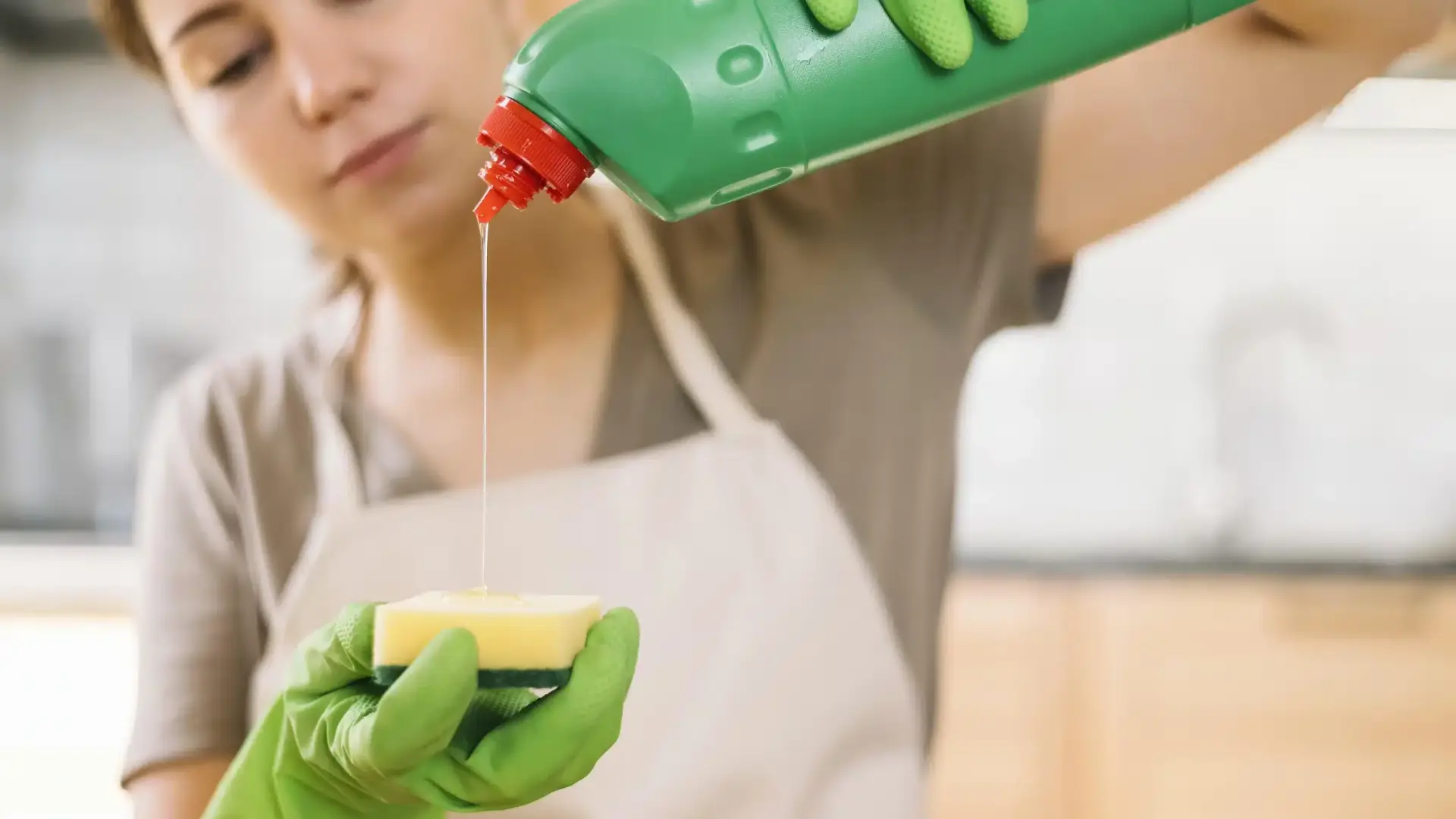
White distilled vinegar is one of the most effective and most misunderstood cleaning agents available in any grocery store. It costs under two dollars per gallon, produces no toxic fumes, is safe around children and pets once surfaces are dry, and handles a wide range of household cleaning tasks effectively. Yet it is also commonly misused on surfaces it actively damages, which has created a reputation for being unreliable.
Cleaning with vinegar works because of its acetic acid content, which runs between 4 and 8 percent in household white vinegar. That concentration is high enough to dissolve mineral deposits, cut grease, disrupt bacterial cell membranes, and neutralize alkaline odor compounds. It is not, however, a broad-spectrum disinfectant at clinical levels, and it causes permanent damage to certain surfaces. Understanding both its capabilities and its limitations is what makes it useful rather than unpredictable.
The science of cleaning with vinegar
Acetic acid reacts with alkaline materials to produce carbon dioxide and water, which is the fizzing you see when vinegar contacts baking soda. This reaction is useful for loosening mineral deposits (which are alkaline) and for drain maintenance.
Against bacteria, acetic acid denatures the proteins in bacterial cell membranes, disrupting function. Research published in the journal Applied and Environmental Microbiology found that 5 percent acetic acid (standard vinegar concentration) was effective against E. coli and Salmonella on hard surfaces with a contact time of 30 minutes. This is useful for general household bacterial reduction, though not equivalent to EPA-registered hospital-grade disinfectants for surfaces requiring clinical-level pathogen control.
Understanding this distinction is important. Cleaning with vinegar is appropriate for general household hygiene maintenance. It is not a substitute for bleach-based disinfection after raw meat contact in the kitchen or for surfaces requiring certified disinfection.
What vinegar cleans effectively
- Hard water stains and mineral deposits (calcium carbonate and magnesium carbonate dissolve in acid)
- Grease at room temperature and light baked-on residue
- Soap scum on tile and glass
- Odors from organic sources (neutralizes rather than masks)
- Mold on non-porous surfaces
- Glass and mirrors (leaves no residue that causes streaking)
- Drains with light biofilm buildup
What vinegar damages and should never be used on
- Natural stone (marble, granite, travertine, limestone): acetic acid etches the calcium carbonate in natural stone, creating dull patches and permanent surface degradation
- Hardwood floors: repeated use degrades the finish and can cause warping from moisture penetration
- Cast iron cookware: strips the polymerized oil layer (seasoning) that makes cast iron non-stick and rust-resistant
- Screens and anti-glare coatings: acetic acid dissolves the coating on flat screen panels and eyeglasses with anti-reflective treatment
- Egg-based stains: acid coagulates the protein in egg, making the stain harder to remove
- Bleach or hydrogen peroxide surfaces: mixing vinegar with bleach produces chlorine gas, a toxic compound
7 surprising ways cleaning vinegar works around your home
1. Kitchen countertops and appliance exteriors
Mix equal parts white vinegar and water in a spray bottle. Use it on laminate, tile, stainless steel, and sealed stone countertops (not natural stone), as well as on the exterior surfaces of appliances. Apply, wait two minutes for the acid to work on grease, then wipe with a microfiber cloth.
For cooking grease on stovetop surrounds and backsplash tile, undiluted vinegar works faster on stubborn deposits. Spray, wait five minutes, and wipe. The acetic acid softens the fatty acid bonds in cooking grease, making it significantly easier to remove.
2. Bathroom showerheads and faucet mineral deposits
Hard water leaves calcium and magnesium deposits on every surface it contacts repeatedly. Showerheads develop reduced flow as mineral deposits block individual spray holes over months of use.
For showerheads: fill a plastic bag with undiluted white vinegar and secure it around the showerhead with a rubber band so the fixture is fully submerged. Leave overnight. Remove in the morning, discard the vinegar, and run the shower on hot for two minutes to flush loosened deposits from the internal passages. Flow rate typically improves significantly after this treatment.
For faucet bases and fixtures: wrap a vinegar-soaked cloth around the affected area and leave for 30 to 60 minutes. The contact time allows the acid to penetrate the thicker mineral deposits that develop at the base of faucet handles.
3. Laundry: fabric softener replacement and odor elimination
Add half a cup of white vinegar to the fabric softener dispenser drawer of a front-load washing machine or directly to the rinse cycle in a top-load machine. The acetic acid prevents soap residue from depositing on fabric fibers, which is the primary cause of fabric stiffness. It also softens fibers effectively without leaving any vinegar smell on dried laundry.
For clothes with persistent odors, including gym wear, pet-contacted fabrics, and towels that have developed a musty smell from being left damp, soak them in a solution of one part vinegar to four parts cold water for 30 minutes before washing. The acetic acid breaks down the volatile compounds responsible for the odor rather than masking them with fragrance.
4. Glass and mirrors: streak-free results
Cleaning with vinegar on glass surfaces produces genuinely streak-free results that outperform many commercial glass cleaners, primarily because it leaves no residue of its own. Mix one part white vinegar with one part distilled water (tap water minerals can streak) in a spray bottle.
Spray onto a microfiber cloth rather than directly onto the glass to prevent overspray on surrounding surfaces. Wipe in one direction (horizontal or vertical, but consistent) rather than in circular motions, which redistribute rather than remove residue.
This works on windows, mirrors, glass shower doors, and sliding glass door panels. Do not use on screens, anti-glare coated glass, or eyeglasses with coatings.
5. Kitchen and bathroom drains
The combination of baking soda and vinegar is effective for drain maintenance and odor control, though it does not dissolve significant clogs the way chemical drain cleaners do. The value is in biofilm control and odor prevention.
Pour half a cup of baking soda into the drain. Follow immediately with half a cup of white vinegar. Place a cloth or stopper over the drain opening to direct the carbon dioxide reaction downward into the pipe rather than out into the room. Leave for ten minutes, then flush with two cups of boiling water.
This sequence clears the thin biofilm layer that forms on the inner pipe wall near the drain opening, which is the primary source of the slow, persistent drain odor that affects most kitchen and bathroom drains over time. Do this weekly in kitchen drains, every two weeks in bathroom drains.
6. Refrigerator interior cleaning
White vinegar is safe to use inside the refrigerator because it leaves no toxic residue and actually inhibits mold and bacterial growth on surfaces it contacts. Wipe shelves, walls, and drawer surfaces with a cloth dampened with undiluted white vinegar after removing all food.
Leave an open shallow container with half a cup of white vinegar on a refrigerator shelf for two to three hours after cleaning to neutralize persistent odors. The vapor phase of the acetic acid absorbs and neutralizes volatile odor compounds in the enclosed space. Replace with a fresh open box of baking soda for ongoing odor maintenance afterward.
7. All-purpose maintenance spray
A basic all-purpose cleaning spray made with vinegar handles daily surface maintenance across most areas of the home. Combine one cup of distilled water, one cup of white vinegar, and, if desired, fifteen drops of essential oil (tea tree, lemon, or lavender) in a spray bottle. Shake before each use.
Use this spray on kitchen counters, bathroom tile, cabinet exteriors, light switches, door handles, and similar non-porous hard surfaces. It cuts through the thin daily buildup of oils and dust that standard dusting leaves behind and prevents the accumulation that leads to more intensive cleaning needs.
Cleaning with vinegar: surface compatibility quick reference
| Surface | Vinegar safe? | Notes |
|---|---|---|
| Laminate countertops | Yes | Diluted or full strength |
| Ceramic and porcelain tile | Yes | Grout included |
| Stainless steel | Yes | Not on specialty coatings |
| Glass and mirrors | Yes | Not on anti-glare coatings |
| Sealed stone (tile, engineered) | Yes | Confirm sealed before use |
| Natural marble or granite | No | Permanent etching risk |
| Hardwood floors | No | Damages finish |
| Cast iron | No | Removes seasoning |
| Flat screens or monitors | No | Coating damage |
| Painted walls | Use with caution | Test first; may affect paint |
Frequently asked questions
What is the difference between white vinegar and cleaning vinegar? Cleaning vinegar has an acidity of around 6 percent, slightly higher than standard 5 percent white distilled vinegar. It is slightly more effective on stubborn mineral deposits but not appropriate for cooking or food use. Standard white distilled vinegar works for all cleaning applications described in this guide.
Does vinegar kill mold? Undiluted white vinegar kills approximately 82 percent of mold species, according to research in Applied Microbiology. It is effective on non-porous surfaces. It does not penetrate porous materials like grout or caulk deeply enough to eliminate embedded mold, which requires bleach or replacement of the porous material.
Can I mix vinegar with dish soap? Yes. Unlike mixing vinegar with bleach (which is dangerous), vinegar and dish soap are compatible and produce a useful cleaning combination for grease and soap scum. The acetic acid and the surfactants in dish soap work together rather than neutralizing each other.
How long does the smell of vinegar last after cleaning? The vinegar smell dissipates as the acetic acid evaporates, typically within 15 to 30 minutes on hard surfaces at room temperature. It does not linger in the room after surfaces are dry.
Vinegar as part of a broader cleaning approach
Cleaning with vinegar handles daily and weekly maintenance effectively across most surfaces in the home. However, surfaces that require deep cleaning attention after extended neglect, such as grout with months of mineral staining, tile with heavy soap scum, or kitchen appliance interiors, often need the kind of comprehensive treatment that goes beyond what any single cleaning agent can accomplish in one session.
A professional deep cleaning service provides that level of thorough intervention when a surface or space has passed the point where routine methods are sufficient.
For consistent maintenance across the full home, a scheduled regular cleaning service keeps surfaces at a standard where cleaning with vinegar and other home methods remain effective rather than insufficient.
Simple, effective, and safe when used correctly
Cleaning with vinegar is one of the most practical additions to any home cleaning routine. It is inexpensive, non-toxic at household concentrations, effective across a genuinely wide range of cleaning tasks, and safe for the household members who matter most.
Know which surfaces it works on and which it damages. Understand what it accomplishes at standard concentration and what it does not. Apply it with the specific contact times and dilutions that match each task, and it delivers results that match or exceed many commercial cleaning products at a fraction of the cost and without the chemical exposure.
Keep Reading
Rather hand the work to a team that does this every day? See our deep cleaning service or call (214) 430-4447 for a free quote.
Want Your Home to Look Like This Without the Work?
Tell us about your place and we will send you a price. No walkthrough required, no obligation.
- Free quote with no obligation
- Non toxic and pet friendly products
- Bonded and insured, serving DFW since 2002
- 24 hour guarantee on our service
Prefer to talk? (214) 430-4447
By completing this form I acknowledge that I will receive informational text messages from E&R Cleaning Services. I can opt out at any time by replying STOP. Standard message rates may apply.