Commercial oven cleaners are effective. They are also caustic enough to require rubber gloves, eye protection, and ventilation while in use, and the fumes they produce can linger in the kitchen for hours. For households with children, pets, or anyone sensitive to chemical exposure, the standard approach to oven cleaning is more trouble than the dirty oven itself.
These oven cleaning hacks use ingredients already in most kitchen cabinets. They work through chemistry rather than caustic force, removing burned grease, baked-on spills, and carbonized residue without toxic fumes or extended scrubbing. Understanding why they work makes it easier to apply them correctly and get consistent results.
The chemistry behind natural oven cleaning
Baked-on oven grease is acidic. Baking soda is alkaline, with a pH of around 9. When baking soda contacts acidic grease deposits, a saponification reaction occurs that partially converts the grease into a water-soluble soap, making it far easier to wipe away.
Adding white vinegar (pH around 2.5) after the baking soda creates a fizzing reaction that generates carbon dioxide bubbles. These bubbles mechanically lift the loosened residue away from the surface, acting like a mild physical cleaning agent without any abrasion.
This two-step chemistry is behind most of the effective oven cleaning hacks below. No harsh fumes, no corrosive chemicals, and no need to vacate the kitchen during the process.
Before you start: preparation
Remove all oven racks, the oven thermometer, and any other removable items before applying any cleaning solution. If the oven has a self-cleaning cycle, this guide is an alternative to that cycle rather than something used in addition to it. The self-cleaning cycle burns residue at extremely high temperatures and is effective but can temporarily produce smoke and odors.
9 oven cleaning hacks that work without toxic fumes or hours of scrubbing
Hack 1: The overnight baking soda paste
This is the most reliable of all oven cleaning hacks for heavy grease buildup and long-neglected ovens.
Mix half a cup of baking soda with enough water to form a thick paste with the consistency of toothpaste. Spread it across every interior surface of the oven using a spatula or old paintbrush, avoiding the heating elements, the gas igniter in gas ovens, and the fan housing in convection ovens.
Leave the paste in place for a minimum of twelve hours. Overnight is ideal. During this time the alkaline paste penetrates and breaks down the acidic grease layers. In the morning, wipe away the paste with a damp cloth. The residue comes away significantly more easily than it would have with direct scrubbing. Follow up by spraying white vinegar over the interior and wiping away the resulting foam to dissolve any remaining baking soda residue.
Hack 2: The steam method for monthly maintenance
For ovens that are cleaned regularly and have lighter buildup, steam cleaning is faster and requires no waiting time.
Fill an oven-safe bowl or baking dish with water and one cup of white vinegar. Place it in the cold oven and heat to 200 degrees Celsius (or 400 degrees Fahrenheit) for 30 minutes. The steam generated by the boiling solution loosens grease and food particles across the interior surfaces.
Turn off the oven and let it cool until it is safe to touch. Wipe the interior with a damp cloth. Most of the loosened residue wipes away cleanly with minimal effort.
This method works best as a monthly maintenance routine to prevent the buildup that makes the overnight paste method necessary.
Hack 3: Lemon steam for light grease and odor
Cut two lemons in half and squeeze the juice into an oven-safe bowl. Add the squeezed lemon halves and fill the bowl with water to cover them. Heat at 250 degrees Celsius (or 475 degrees Fahrenheit) for 30 minutes.
The citric acid in the lemon steam cuts through light grease while the heat and moisture do the physical work. The bonus is a fresh citrus scent rather than the chemical smell that lingers after commercial cleaner use. This method works well for ovens that have been steam-cleaned recently and need a lighter refresh.
Hack 4: Dish soap soak for oven racks
Oven racks develop a combination of baked-on grease and carbonized residue that resists wiping. The most effective oven cleaning hack for racks does not involve the oven at all.
Place the racks in the bathtub on a layer of old towels to prevent scratching the tub. Fill with hot water and add a generous amount of dish soap and half a cup of white vinegar. Let the racks soak for a minimum of two hours, or overnight for heavy buildup.
After soaking, the carbonized residue wipes away with a non-scratch scrub sponge and minimal effort. Rinse thoroughly and dry completely before returning the racks to the oven.
Hack 5: Salt for fresh spills during cooking
When a spill occurs in the oven while it is still hot, act immediately. Pour a generous layer of table salt directly onto the spill while the oven is still warm (but turned off). The salt absorbs the liquid portion and carbonizes the remaining residue as the oven cools.
Once the oven is completely cool, the dried residue lifts away easily with a spatula or stiff brush. This transforms a potential baked-on stain into a simple cleanup, provided you act quickly. It is the simplest of all oven cleaning hacks and the most effective at the moment it is needed most.
Hack 6: Baking soda and vinegar for the oven door glass
The glass on the oven door accumulates grease that bakes on over dozens of cooking sessions and eventually becomes nearly opaque. The visibility through the glass matters practically, since you cannot monitor cooking without opening the door and losing heat.
Apply a thick layer of baking soda paste to the glass door and leave for fifteen minutes. Spray white vinegar onto the paste and allow the fizzing reaction to work for another five minutes. Wipe away with a damp microfiber cloth using circular motions on the glass (the glass itself, unlike stainless steel, does not have a direction-sensitive coating). Repeat if necessary for heavy buildup.
Hack 7: Cream of tartar for burn marks
Cream of tartar (potassium bitartrate) is a mildly acidic byproduct of wine production and is effective on rust-colored or brown burn marks on oven interior surfaces. Mix it with a small amount of water to make a paste. Apply directly to the burn mark, leave for ten minutes, and wipe away with a damp cloth.
Cream of tartar is particularly useful for those ring-shaped burn stains that appear on the oven floor below the heating element and resist standard baking soda treatment.
Hack 8: All-purpose natural spray for regular maintenance
A simple homemade spray maintains oven surfaces between deep cleans and prevents mild residue from becoming significant buildup.
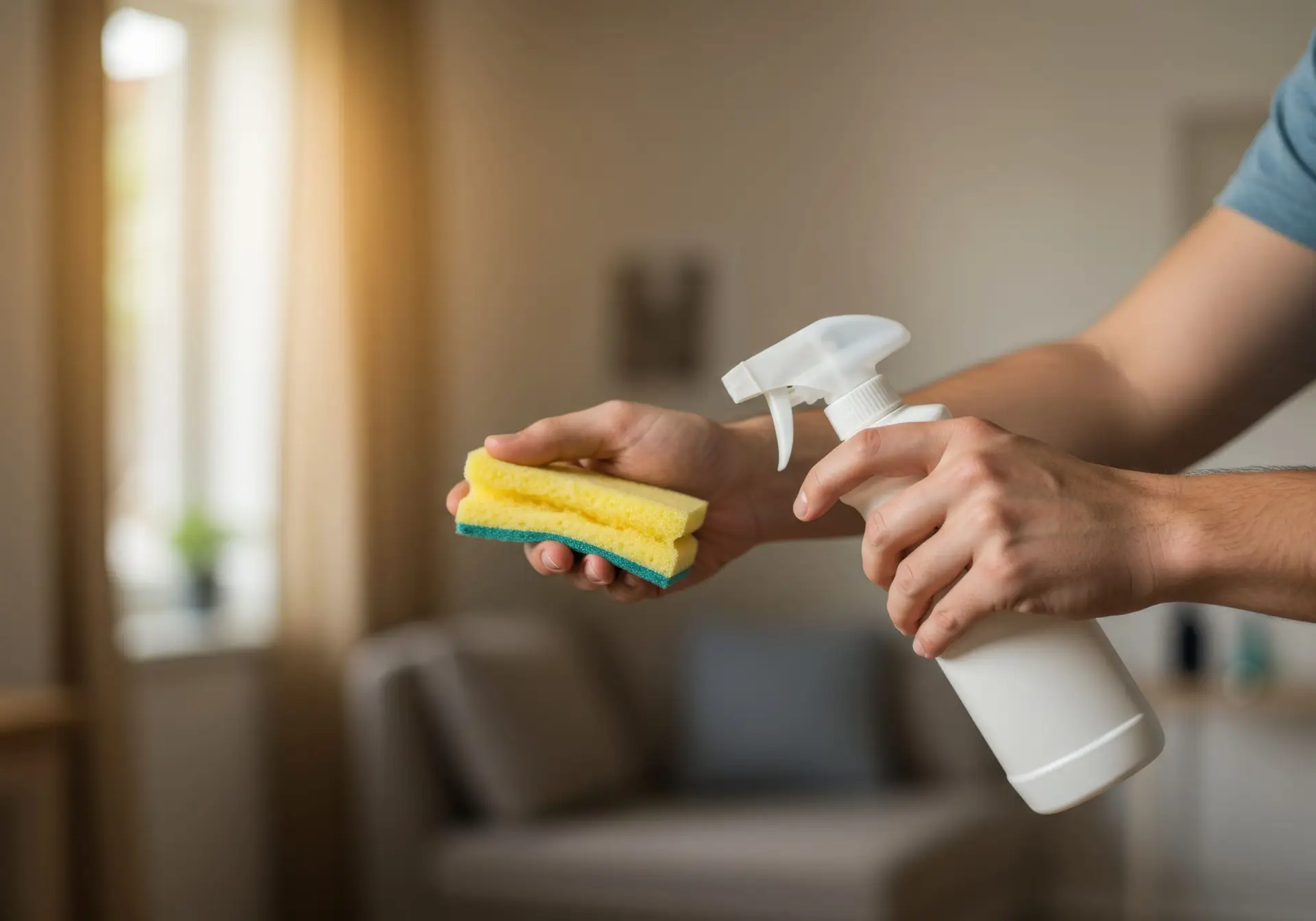
Combine one cup of water, one cup of white vinegar, and two tablespoons of dish soap in a spray bottle. Shake well before use. Spray the oven interior after it has cooled from cooking, wait fifteen minutes, and wipe clean. This spray does not require rinsing and is safe to use weekly.
Hack 9: Prevention as the most effective oven cleaning hack
The most powerful of all oven cleaning hacks is not a cleaning method. It is a habit. After every cooking session, once the oven has cooled to a safe temperature, do a quick wipe of any fresh residue with a damp cloth. This takes under two minutes and prevents residue from going through multiple heat cycles and becoming baked-on.
Oven spills become serious cleaning challenges only when they are left through subsequent uses. Catching them immediately eliminates the need for the more intensive methods above in most normal cooking situations.
Oven cleaning frequency guide
| Task | Frequency |
|---|---|
| Quick wipe of fresh residue | After every use |
| Steam method | Monthly |
| Full baking soda paste clean | Every 3 to 4 months |
| Oven rack soak | Every 2 to 3 months or when visibly grimy |
| Oven door glass treatment | As needed |
Frequently asked questions
Can I use these methods on a gas oven? Yes, with one precaution: avoid getting baking soda paste into the gas igniter or burner ports. Apply paste carefully around these components and clean them separately with a dry brush.
How do I know when baking soda paste has worked? The paste changes color as it absorbs and reacts with the grease, typically turning yellowish-brown. When you wipe it away, you should see significantly less residue on the oven interior compared to before application.
Can I use these methods in a convection oven? Yes. Avoid directing steam or paste into the fan opening at the back. Clean around it carefully and use a dry brush to remove any dried residue near the fan housing.
What if the oven smells of vinegar after cleaning? Run the oven at 150 degrees Celsius (300 degrees Fahrenheit) for fifteen minutes with the kitchen ventilated. The vinegar smell dissipates completely. This also ensures any remaining cleaning solution residue is neutralized by heat.
How do I clean the oven between the glass door panels? This requires partial disassembly of the door on most ovens. Check your specific oven model’s manual or manufacturer support page for instructions. Some manufacturers have published official guides for this task on their websites.
Beyond the oven: the full kitchen picture
Oven cleaning is one component of kitchen maintenance. The range hood above accumulates grease at the same rate as the oven interior. The stovetop, backsplash, and surrounding cabinet fronts receive grease dispersal from every cooking session.
When the full kitchen needs a comprehensive reset, a professional deep cleaning service addresses every appliance interior, surface, and structural detail in a single visit.
For maintaining a consistently clean kitchen between intensive sessions, a regular cleaning service schedule handles the ongoing surfaces while your own oven cleaning hacks manage the appliance interior on a monthly and quarterly basis.
Clean oven, better cooking environment
These oven cleaning hacks prove that effective appliance maintenance does not require toxic chemicals or professional-grade products. Baking soda, vinegar, dish soap, salt, and lemons address every level of oven grime from fresh spills to months-old buildup.
The overnight paste method handles the most neglected ovens. The steam method keeps them manageable between deep cleans. The post-cooking wipe prevents the most serious buildup from ever forming. Apply them in sequence and your oven will be consistently clean without the fumes, the gloves, or the hours of scrubbing that commercial oven cleaning typically demands.
Keep Reading
Rather hand the work to a team that does this every day? See our deep cleaning service or call (214) 430-4447 for a free quote.