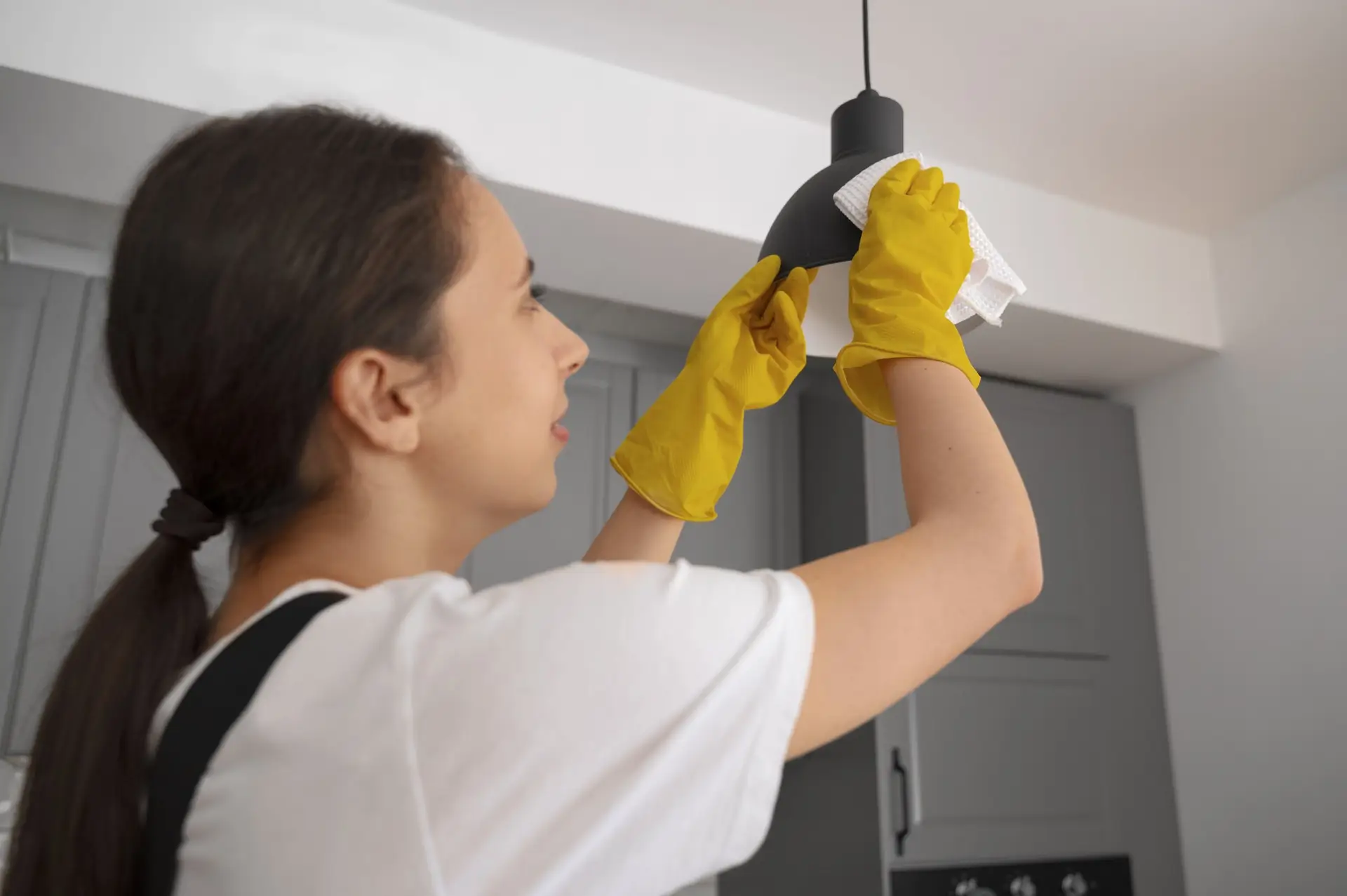
The kitchen is the heart of the home, but it is also a magnet for grease, food residue, and bacteria. While we often wipe down our counters after cooking, we frequently neglect the very things we touch before and after we prepare our food: the handles, knobs, and switches. Over time, these high-touch areas collect a sticky film of oils and microscopic debris that can make your kitchen feel less than sanitary.
Kitchen Areas That Need Regular Attention
In a busy household, surfaces are touched dozens of times a day. If you aren’t paying attention, these spots can become primary transmission points for germs:
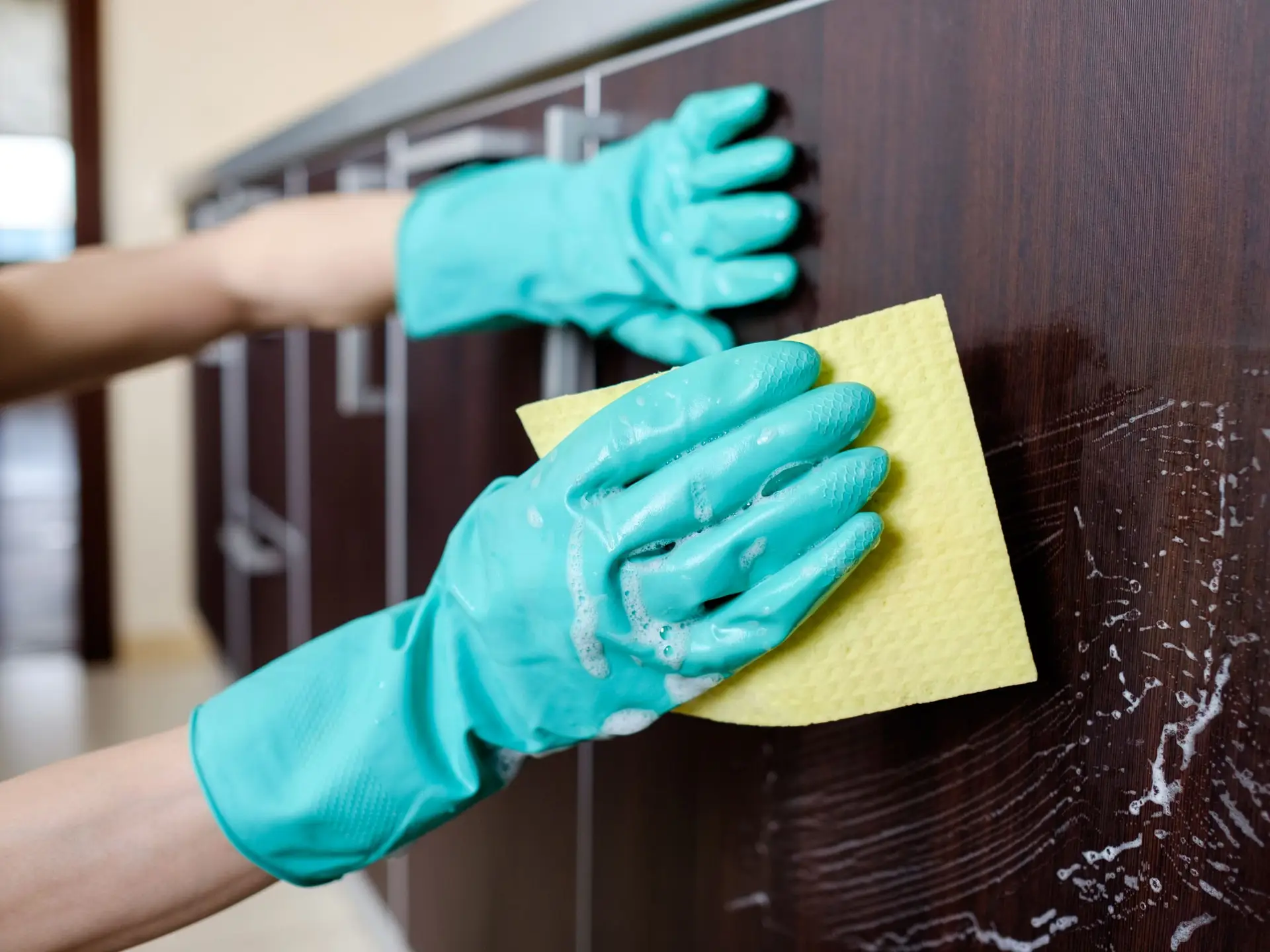
- Cabinetry & Storage: Cabinet handles, drawer pulls, and pantry doors.
- Appliance Zones: Refrigerator doors, microwave control panels, oven knobs, and dishwasher handles.
- Fixture Zones: Faucet handles and the sink edges.
- Structural Points: Light switches, trash can lids, the edges of your counters, and the backs of kitchen chairs.
Frequency Tip: In a high-traffic family kitchen, these surfaces should receive a quick wipe-down at least twice a week. If someone in the household is ill, or if you have just finished preparing raw meat, wipe down the handles and knobs immediately.
Step-by-Step Cleaning Method
To get these areas truly clean without damaging your finishes, follow this simple routine:
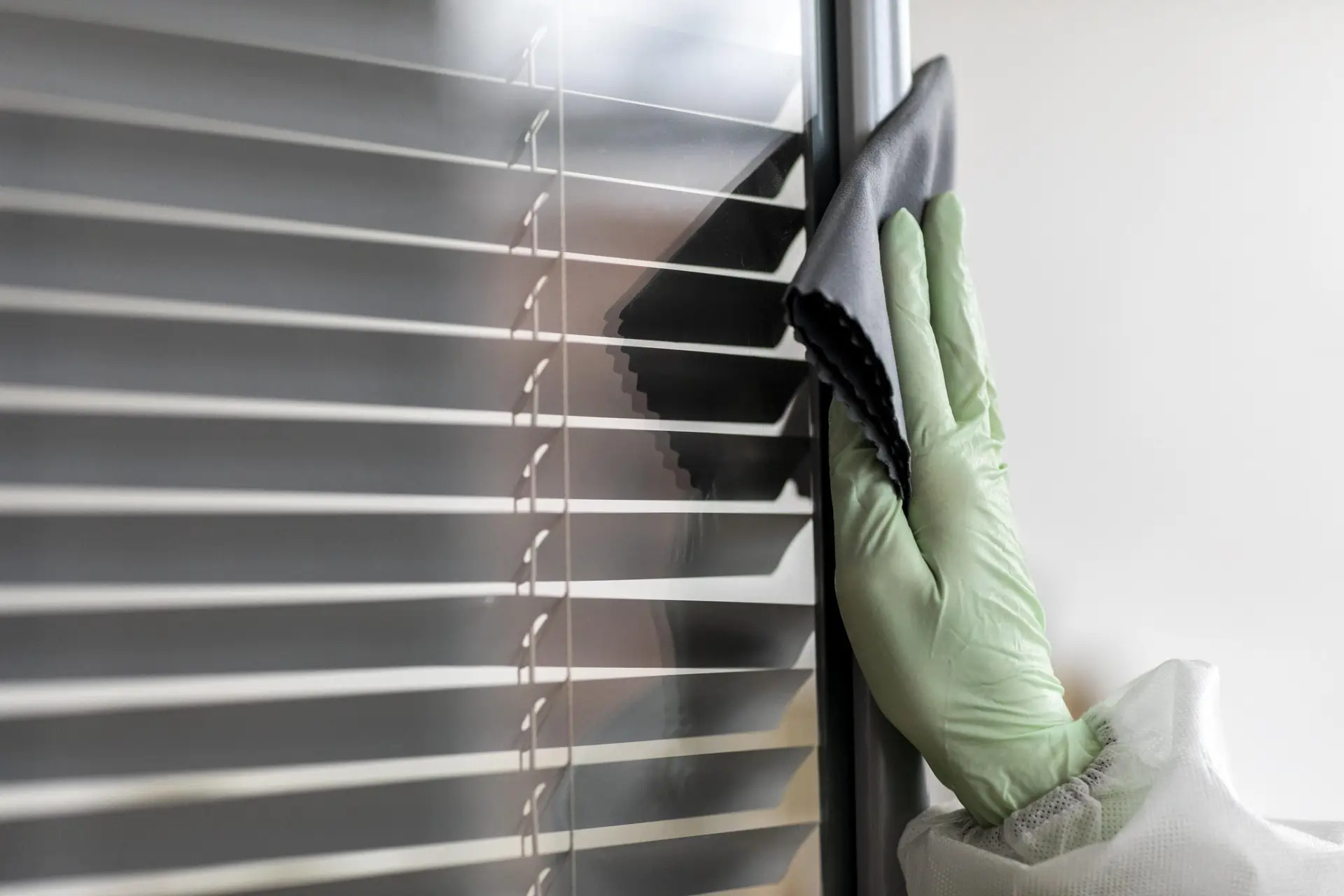
- Remove Surface Debris: Start by wiping away visible crumbs, dust, or sticky food spots with a dry or slightly damp microfiber cloth.
- Select the Right Cleaner:
- Stainless Steel: Use a dedicated stainless steel cleaner or a mix of mild soap and water. Always wipe with the grain.
- Painted Wood or Laminate: Use a pH-neutral cleaner or a mild dish soap solution. Avoid harsh chemicals that can strip paint or finish.
- Metal Hardware: A simple warm, soapy water solution is usually sufficient.
- The Wipe and Dry: Spray your cloth (never spray directly onto the hardware, as liquid can seep behind the handle into the cabinetry) and wipe thoroughly. Use a second dry cloth to buff the surface and remove water marks.
- Detailing Grooves: For intricate knobs or tight crevices, use a soft-bristled toothbrush to gently lift dirt from the seams.
Safety Note: Always spot-test new cleaning products on an inconspicuous area before applying them to your entire kitchen.
Mistakes to Avoid
A little care goes a long way in protecting your kitchen hardware:
- Avoid Abrasives: Never use steel wool or harsh scouring pads on finished handles. These will create microscopic scratches that attract even more grease and dirt in the future.
- Watch the Moisture: Avoid over-saturating wood cabinets or painted surfaces. Excessive water can cause wood to swell or paint to peel over time.
- Chemical Safety: Never mix different disinfecting products. Stick to one effective cleaner and ensure the area is well-ventilated.
When Professional Kitchen Cleaning Helps
Kitchens are notoriously difficult to keep perfectly clean because grease is persistent. It settles into corners, behind handles, and under appliance edges, creating a “tacky” buildup that is difficult to tackle with a standard weekly wipe.
At E&R Cleaning Services, we specialize in the “invisible” details of kitchen hygiene. Our recurring cleaning visits ensure that these high-touch areas are sanitized and degreased consistently, preventing the buildup that makes home cleaning feel like such a chore. By trusting our team to handle the deep-cleaning details, you ensure that your kitchen remains a truly sanitary, welcoming space for your family.
Ready to get your kitchen truly deep-cleaned? Contact E&R Cleaning Services today to book your consultation!
Frequently Asked Questions
How often should kitchen handles be cleaned? In a busy home, aim for a thorough wipe-down at least twice a week. For high-traffic appliances like the refrigerator or the main faucet handles, a quick daily wipe can prevent sticky residue from hardening.
Can disinfecting wipes be used on cabinet handles? It depends on the finish. Many disinfecting wipes contain harsh alcohols or chemicals that can dull or strip paint, varnish, or wood stains. Always check your cabinet manufacturer’s care instructions first; if in doubt, stick to a mild, pH-neutral soap solution.
What is the safest way to clean stainless steel handles? The safest way is to use a microfiber cloth dampened with warm water and a tiny drop of dish soap. If you need a deeper clean, use a product specifically formulated for stainless steel and always wipe in the direction of the metal’s grain to avoid streaks.
Want Your Home to Look Like This Without the Work?
Tell us about your place and we will send you a price. No walkthrough required, no obligation.
- Free quote with no obligation
- Non toxic and pet friendly products
- Bonded and insured, serving DFW since 2002
- 24 hour guarantee on our service
Prefer to talk? (214) 430-4447
By completing this form I acknowledge that I will receive informational text messages from E&R Cleaning Services. I can opt out at any time by replying STOP. Standard message rates may apply.