Research from NSF International found that the kitchen sink contains more bacteria per square centimeter than the toilet seat in most homes. The drain area and surrounding basin collect food residue, moisture, and skin cells throughout the day, creating ideal conditions for bacterial growth. Yet the sink is cleaned less thoroughly and less frequently than almost any other surface in the house.
Knowing how to clean a sink surfaces correctly, including the drain, the faucet base, the overflow drain, and the caulk line, is the difference between a sink that looks clean and one that actually functions as a hygienic surface. This guide covers the ten most common mistakes and the specific techniques that address each one.
Why sinks harbor more bacteria than most people expect
The combination of food residue, warm water, and frequent hand contact creates a bacterial environment that develops quickly and persists stubbornly. The kitchen sink is particularly problematic because it handles raw meat, produce, and dirty dishes simultaneously.
The faucet handle is a secondary hotspot that is often overlooked. Every time someone begins washing their hands before they are clean, they transfer bacteria to the faucet handle. Unless the handle is disinfected separately, it recontaminates clean hands during the rinsing step, partially defeating the purpose of hand-washing.
What you need to clean a sink properly
For kitchen sinks:
- Dish soap or all-purpose cleaner
- Baking soda
- White vinegar
- Microfiber cloths and a scrub brush with nylon bristles
- A disinfecting spray or diluted bleach solution (one tablespoon per gallon of water)
For bathroom sinks:
- Bathroom cleaner or all-purpose spray
- A soft scrub pad
- A toothbrush for crevices and overflow drains
- Glass cleaner for chrome faucets
- Diluted bleach or a disinfecting spray
10 sink cleaning mistakes that leave bacteria behind every time
Mistake 1: Cleaning the basin and ignoring the drain
The drain opening and the immediately surrounding area are the highest-bacteria zones in the entire sink. Yet most cleaning routines stop at the drain edge and never address what is inside it.
The correct approach: pour half a cup of baking soda into the drain, follow immediately with half a cup of white vinegar, and cover the drain opening for five minutes to direct the fizzing reaction downward into the pipe. Flush with boiling water. This combination clears the biofilm that forms on the pipe interior near the drain opening and eliminates the primary source of sink odors.
Do this weekly in the kitchen sink, every two weeks in bathroom sinks.
Mistake 2: Leaving the sponge in the sink
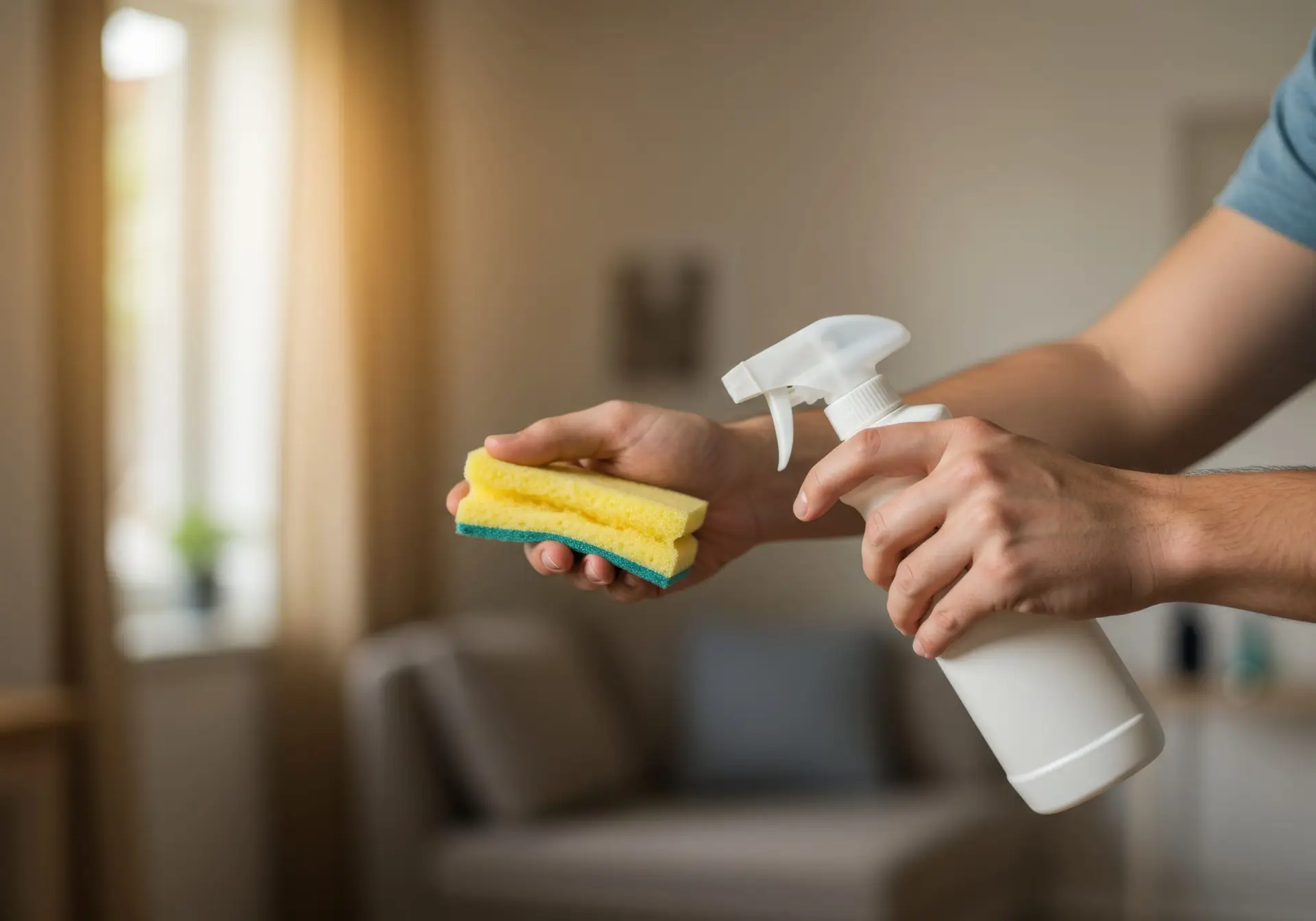
A sponge that sits in the sink basin absorbs food residue and moisture continuously. NSF International testing found that the kitchen sponge is the single most bacteria-laden item in most homes, with bacteria counts including E. coli and Salmonella at levels that would qualify as contaminated surfaces in any food service context.
Store sponges on a dry holder outside the sink where they can drain and air dry between uses. Microwave damp sponges for 60 seconds daily to reduce bacteria. Replace sponges every seven to fourteen days regardless of appearance.
Mistake 3: Not disinfecting the faucet handles
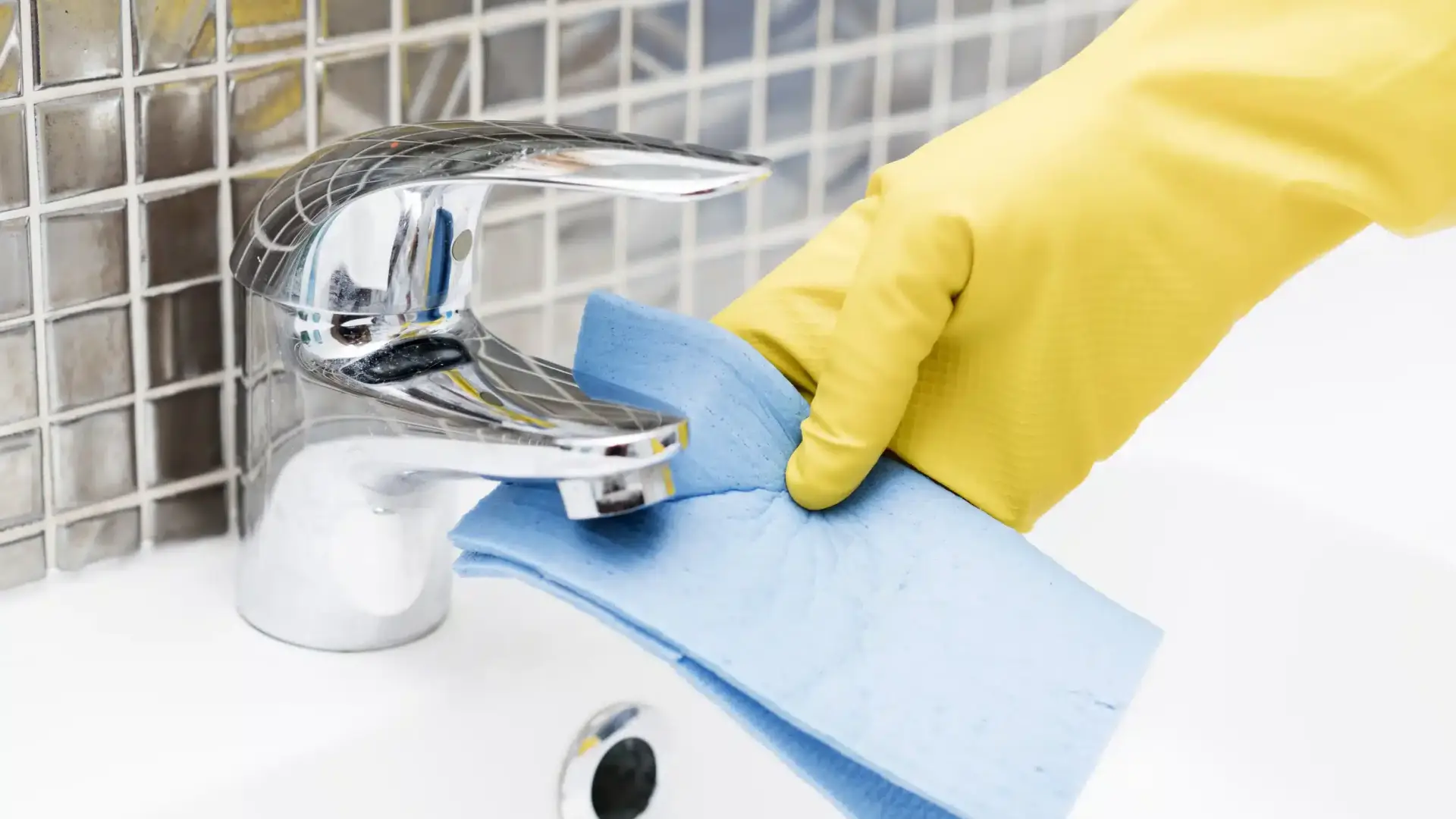
The faucet handle is touched with dirty hands dozens of times a day. In kitchens handling raw meat or produce, it receives bacterial transfer every time someone turns on the water to begin washing. If the handle is not disinfected separately from the basin, it remains a persistent recontamination source.
Wipe faucet handles, the handle base, and the base of the spout with a disinfecting spray or a cloth dampened with diluted bleach solution at minimum every time the sink basin is fully cleaned. In households with frequent raw meat handling, daily disinfection of the faucet is appropriate.
Mistake 4: Using the same cloth for sink and countertops
Cross-contamination in the kitchen is a documented food safety risk. The sink basin, which contacts raw meat residue and drain water, should never share a cleaning cloth with food preparation or dining surfaces. Color-code microfiber cloths by zone: one color for the sink and drain area, another for countertops and dining surfaces.
This single organizational change eliminates a significant vector for bacterial cross-contamination in kitchen cleaning.
Mistake 5: Ignoring the overflow drain in bathroom sinks
The overflow drain is the small oval hole located near the top of the sink basin, designed to prevent flooding if the faucet is left running. Water rarely passes through it under normal conditions, which means it never gets flushed. Mold, slime, and biofilm accumulate inside the overflow channel over months.
Use a small bottle brush or a flexible cleaning brush dipped in a diluted bleach solution to scrub inside the overflow drain monthly. The channel connects to the main drain pipe, so materials cleaned out of it flush away when you run the basin faucet afterward.
Mistake 6: Rinsing but not scrubbing
Rinsing removes loose food debris and the visible film of soap and water after washing dishes. It does not remove the thin biofilm that adheres to the basin surface. This biofilm is what makes a “clean” sink feel slightly tacky or look slightly dull even after rinsing.
Proper sink cleaning requires scrubbing the basin surface with a brush and a cleaning agent, not just rinsing it out. Apply dish soap or baking soda, scrub the full basin surface and drain surround with a nylon brush, then rinse. This is the fundamental distinction between rinsing a sink and actually cleaning it, and understanding how to clean a sink surfaces at this level changes the result significantly.
Mistake 7: Using abrasive scrubbers on stainless steel or porcelain
Steel wool, metal scrub pads, and high-grit scrubbing pads scratch stainless steel and chip the enamel coating on porcelain sinks. Both types of damage are permanent and progressive. Scratches in stainless steel trap bacteria in grooves that cannot be fully cleaned. Chips in porcelain enamel expose the iron base material underneath, which begins to rust.
Use nylon bristle brushes and non-scratch soft scrub pads on all sink materials. For stubborn stains in stainless steel sinks, baking soda paste applied with a soft cloth and worked along the grain direction is effective without causing surface damage.
Mistake 8: Skipping the caulk line
The caulk line where the sink basin meets the countertop or wall is a persistent mold and bacteria accumulation point. It is slightly recessed from both surfaces, collects water during sink use, and dries slowly. Mold appears as black or gray discoloration along the caulk line and indicates established growth rather than surface contamination.
Scrub the caulk line monthly with a stiff toothbrush and a diluted bleach solution. Allow the bleach solution to sit for two minutes before scrubbing to penetrate the mold growth. Caulk that has turned permanently black inside its depth, or caulk that is pulling away from either surface, should be removed and replaced. Mold inside old caulk cannot be eliminated by surface cleaning.
Mistake 9: Not drying the sink after cleaning
Leaving the sink wet after cleaning immediately allows new bacterial growth to begin and invites mineral deposits as the water evaporates. After cleaning and disinfecting, dry the basin with a clean cloth. This step also prevents water spots on stainless steel and keeps chrome fixtures from developing mineral staining.
Drying the sink takes 30 seconds and meaningfully extends the effectiveness of the cleaning session.
Mistake 10: Cleaning too infrequently
The kitchen sink needs scrubbing at least three times per week based on typical household use. The bathroom sink needs full attention at least twice per week. Waiting until visible grime or odor prompts cleaning means bacteria have already reached levels that affect hygiene, particularly in kitchens where food safety is a direct concern.
Special situation: disinfecting after raw meat contact
After handling raw chicken, pork, beef, or fish, the sink requires immediate and thorough disinfection. Hot soapy water followed by a diluted bleach solution (one tablespoon of bleach per gallon of water, applied and left for two minutes before rinsing) is the recommended protocol from food safety authorities including the USDA.
This applies to every surface the raw meat contacted: the basin, the faucet handle, the sink area on the countertop, and any cutting boards or utensils rinsed in that session.
Sink cleaning frequency summary
| Surface or component | Recommended frequency |
|---|---|
| Kitchen sink basin (full scrub) | 3 times per week |
| Bathroom sink basin (full scrub) | 2 times per week |
| Faucet handles (disinfect) | Daily in kitchens, every 2 days in bathrooms |
| Drain (baking soda and vinegar flush) | Weekly (kitchen), every 2 weeks (bathroom) |
| Overflow drain (bathroom) | Monthly |
| Caulk line | Monthly |
| Full disinfection after raw meat | Immediately after contact |
Frequently asked questions
Can I use bleach in a stainless steel sink? Yes, but dilute it properly (one tablespoon per gallon of water) and never leave it in contact for more than two minutes. Concentrated bleach can damage the chromium layer of stainless steel. Rinse thoroughly after use.
What removes rust stains from a stainless steel sink? A paste of baking soda and lemon juice applied with a soft cloth and left for ten minutes addresses light rust staining. For more significant rust, a commercial stainless steel rust remover applied along the grain direction is more effective.
What causes the black stains on bathroom sink caulk? Black staining on caulk is established mold growth. It indicates the caulk has been consistently wet without drying. Surface cleaning slows new growth but does not eliminate existing mold inside the caulk material. Replacement is the permanent fix.
Why does my kitchen sink smell even after I pour drain cleaner down it? Drain cleaner addresses clogs in the pipe. The odor source is often the biofilm on the pipe walls immediately around the drain opening, which chemical drain cleaners do not reach effectively. The baking soda and vinegar method combined with boiling water flush is more effective for odor specifically.
Sink cleanliness as part of overall home hygiene
A properly cleaned sink is one component of kitchen and bathroom hygiene. The same bacteria that accumulate in the sink also establish themselves on countertops, faucet fixtures, and drain areas throughout the home.
When a comprehensive approach to all surfaces is needed rather than individual fixture attention, a professional deep cleaning service addresses every surface, fixture, and structural detail in a single session.
For ongoing surface maintenance at a consistent standard, a regular cleaning service schedule covers kitchens and bathrooms on a frequency that matches the hygiene demands of each household.
A sink that is clean rather than just rinsed
Understanding how to clean a sink surfaces thoroughly, including the ten areas and errors covered in this guide, changes what the sink actually provides to the household. Not just a functional water point that looks acceptable, but a genuinely hygienic surface that supports food safety and household health every day.
Target the drain, disinfect the faucet handle, scrub rather than rinse, and address the caulk line monthly. These steps collectively address the actual sources of bacteria and odor, producing results that surface cleaning and rinsing alone cannot.
Keep Reading
Rather hand the work to a team that does this every day? See our deep cleaning service or call (214) 430-4447 for a free quote.