
Most advice about clutter is about storage. Buy the bins, label the shelves, fold things a particular way. That advice skips the part that actually matters, which is what clutter is doing to you while it sits there.
There is real research behind this. Visual clutter competes for attention: the more objects in your field of view, the more your brain is quietly processing, and the less capacity is left for whatever you are trying to do. Studies on domestic environments have also found a relationship between how people describe their homes, cluttered versus restful, and their stress and mood through the day. Anyone who has tried to concentrate at a desk buried in paper already knows the finding.
So this is less about tidiness as a virtue and more about getting your attention and your evenings back.
Start With the Rooms That Cost You the Most
Not every cluttered surface costs the same. Three places do most of the damage, and they are worth solving before anything else.
Wherever you work
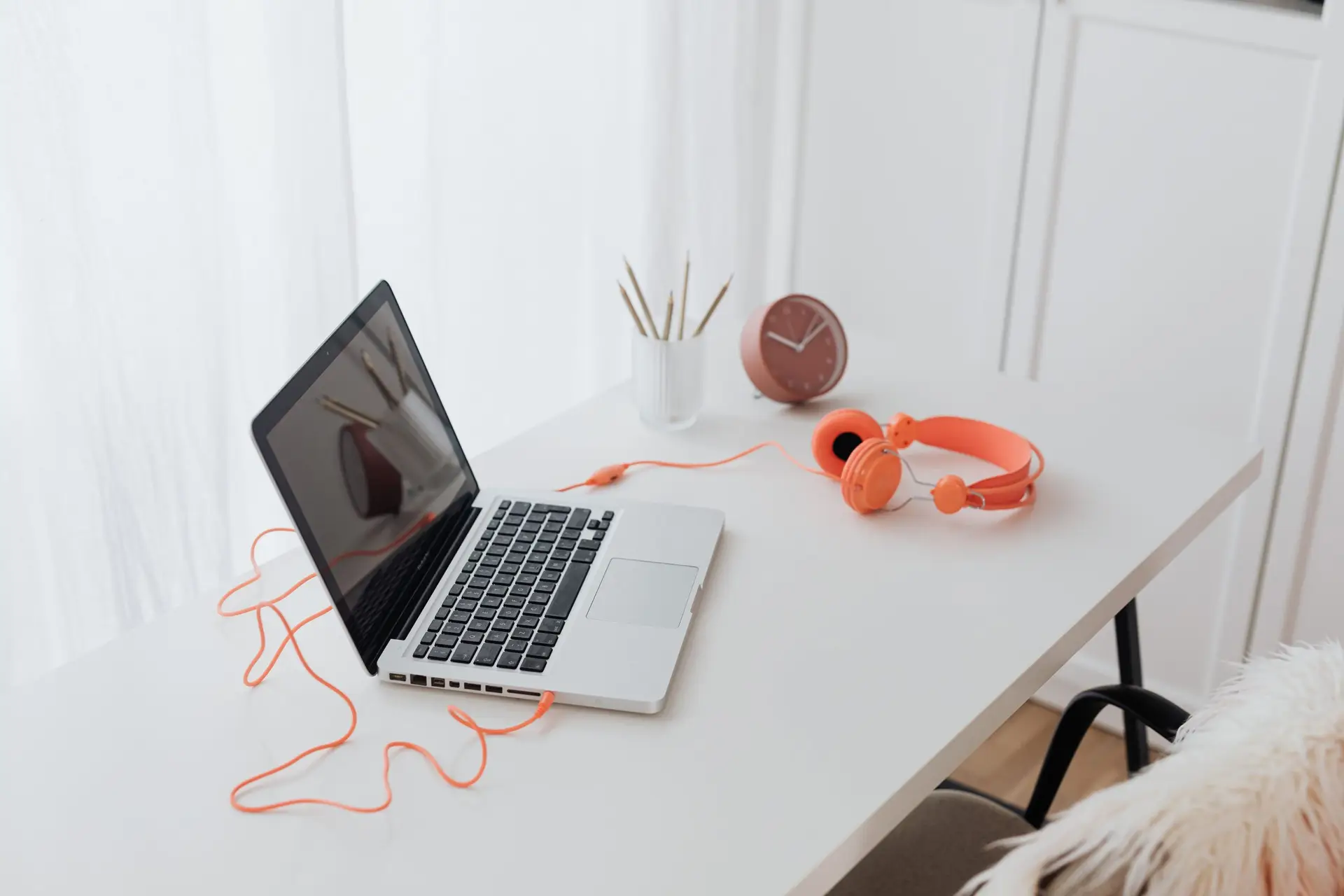
A home office or the kitchen table you use as one. This is where the attention cost is measurable, because every object in your peripheral vision is a small ongoing tax on focus. Clear the surface completely, keep only what the current task needs, and put everything else out of sight rather than in a tidier pile.
The bedroom
Sleep quality is affected by the state of the room you sleep in, and clothes on a chair are the specific offender in most houses. A bedroom that reads as restful helps you wind down. A bedroom that reads as an unfinished task does the opposite, at the exact moment you need it least.
The entry drop zone
This one is not about calm, it is about friction. Keys, mail, bags and shoes accumulating at the door is what makes leaving the house stressful every single morning, and it is the easiest of the three to fix permanently.
The Rule That Prevents It Coming Back
Clutter is almost never a storage problem. It is a decision problem. Every item on a counter is a decision someone postponed, and postponed decisions accumulate faster than any container system can absorb.
The fix that holds is to give every category a single home and to decide once rather than repeatedly. Mail goes in one place, and it gets handled on a fixed day. Chargers live in one drawer. Shoes stop at the door. School paper goes in one tray and gets cleared weekly. Once a category has a home, putting it away stops being a decision and becomes a reflex, which is the whole point.
The second rule is the ten minute reset. Not a cleaning session, just returning things to their homes, at a fixed moment such as after dinner. Ten minutes daily is dramatically more effective than two hours on Saturday, because it never lets the pile reach the size where it becomes intimidating.
How to Actually Get Through the Backlog
If the house is already deep in it, the trap is starting with the biggest room and stalling halfway. Do the opposite.
Pick one small surface, finish it completely, and stop. One counter. One drawer. One shelf. A finished small thing produces momentum, and a half finished large thing produces avoidance. Work in short defined sessions rather than open ended ones, and only handle a category at a time so you are making one type of decision instead of switching constantly.
For anything you cannot decide about, use a holding box with a date on it. If you have not needed something in it after six months, that is your answer, and it removes the pressure of deciding right now.
Where Cleaning and Decluttering Are Different Jobs
This is worth saying plainly, because it is the source of most disappointment with cleaning services.
Decluttering means deciding what stays. That is yours, and it should be, because nobody else can make those calls about your belongings. Cleaning means removing dirt from surfaces. That is ours. A cleaning crew cannot clean a counter covered in your things, and a crew that puts your belongings away is a crew that has hidden them somewhere you will not find them.
The two work best in sequence. Clear the surfaces, then let a professional actually clean them properly, then keep the ten minute reset going so the surfaces stay clear. Households that do it in that order get a result that lasts. Households that hire cleaning while the clutter stays are usually disappointed and cannot say why.
What Changes When the Surfaces Are Clear
The practical difference is that cleaning becomes fast. A clear kitchen counter takes ninety seconds to wipe. A counter with fourteen objects on it takes ten minutes and never quite looks done. Multiply that across a house and you understand why some households spend all weekend cleaning and others do not.
Let Us Handle the Cleaning Half
Once the surfaces are yours again, we take it from there. Our teams handle the bathrooms, kitchen, floors, dusting and everything above eye level on a schedule, so the only thing left on your list is the ten minutes that keeps the house from filling up again.
Call (214) 430-4447 or request a free quote online. Tell us your square footage, your bedroom and bathroom count, and how the house is being used. We will tell you what is included, what is not, and be honest about whether you need us weekly, every other week or monthly.
We clean homes throughout McKinney, Frisco, Allen, Plano, Prosper and Celina.
Keep Reading
- Fifteen Minute Clutter Tricks
- Housekeeping Tips Between Professional Visits
- Choosing the Right Cleaning Frequency
- Why the Order You Clean In Matters Most
- What You Are Actually Hiring
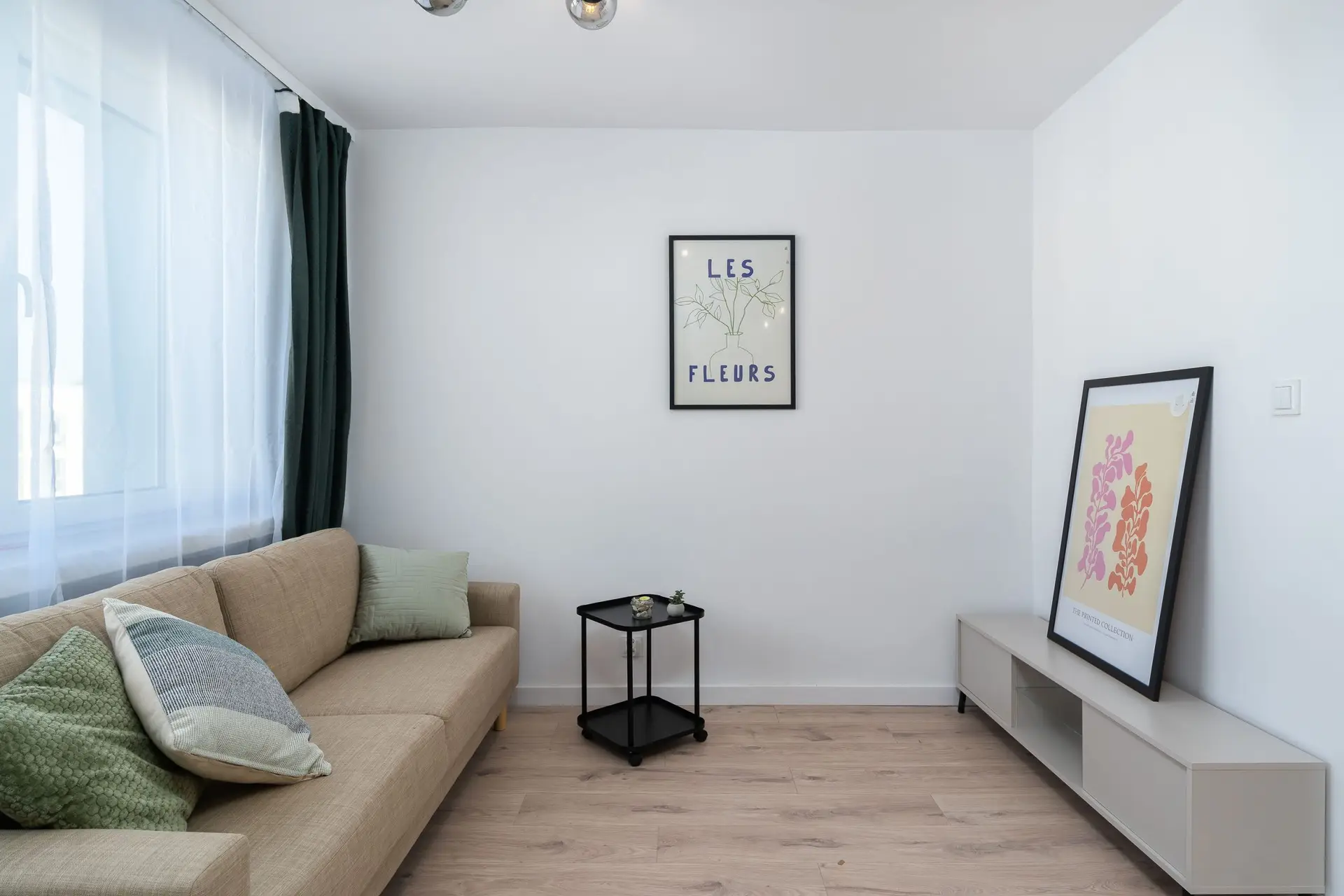
Want Your Home to Look Like This Without the Work?
Tell us about your place and we will send you a price. No walkthrough required, no obligation.
- Free quote with no obligation
- Non toxic and pet friendly products
- Bonded and insured, serving DFW since 2002
- 24 hour guarantee on our service
Prefer to talk? (214) 430-4447
By completing this form I acknowledge that I will receive informational text messages from E&R Cleaning Services. I can opt out at any time by replying STOP. Standard message rates may apply.