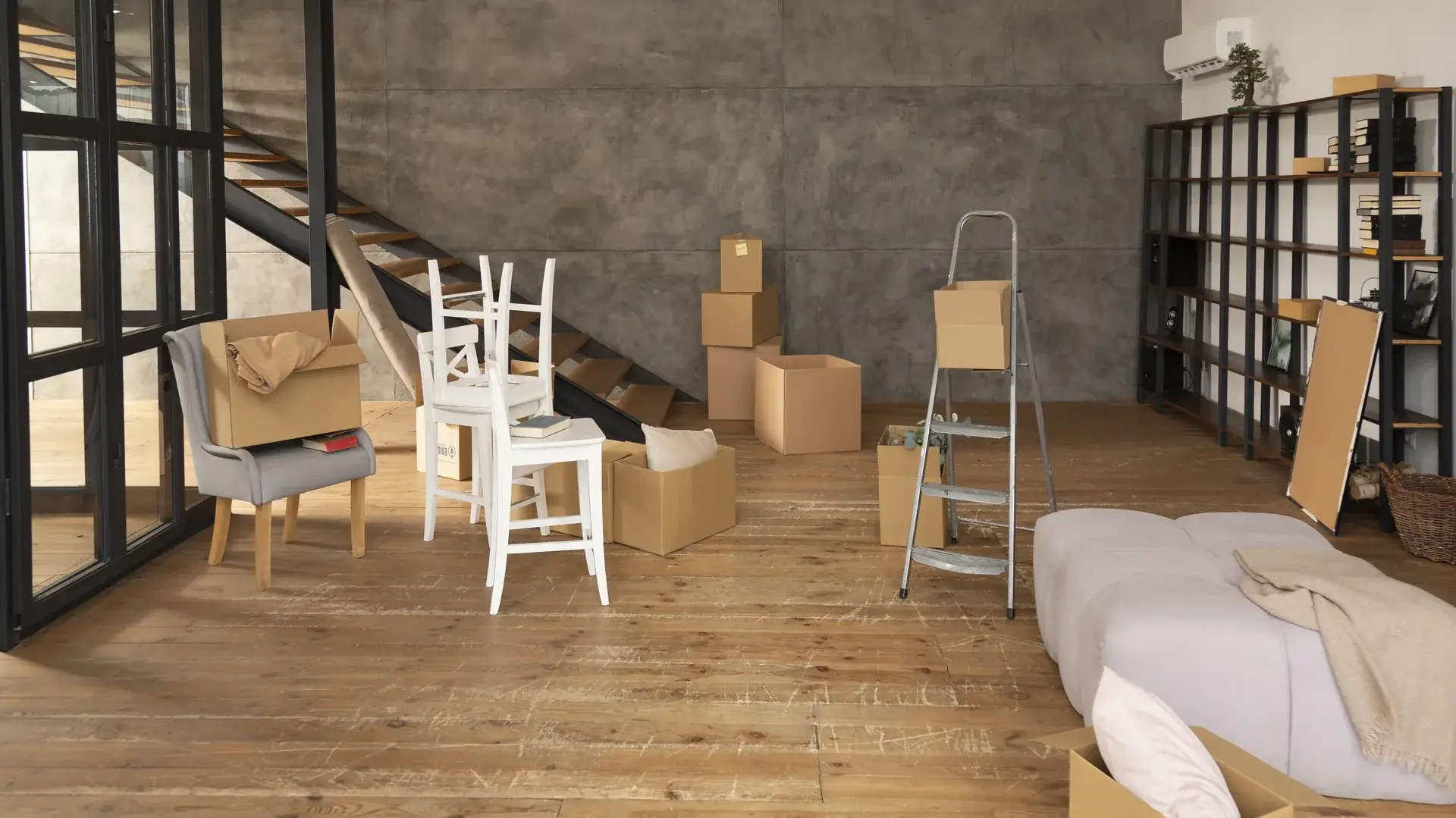
Basements have a way of becoming the place where everything gets stored and nothing gets sorted. Before another season of boxes piles up, it is worth taking a weekend to clean basement spaces properly, rather than just shifting clutter from one corner to another.
This guide walks through a step-by-step process to clean a basement that has been neglected for a while. It also covers the organizing habits that keep it from sliding back into chaos before the next storage season arrives.
Quick answer
The fastest way to clean basement spaces is to remove everything first. Sort it into keep, donate, and discard piles, then clean the empty space from ceiling to floor before anything goes back in. Skipping the full removal step is the most common reason basement cleanups stall halfway through.
Why basements get cleaned less often than other rooms
Basements are out of sight, which means clutter and dust build up without the daily visual reminder that keeps other rooms in check. Many homeowners only think about a basement clean once a year, often right before a seasonal storage need, like swapping out holiday decorations or packing away summer gear.
That infrequent attention means dust, cobwebs, and sometimes mild mustiness accumulate more than in any other part of the home. A basement clean done once or twice a year needs to be more thorough than a quick weekly tidy. Simply put, more time has passed since the last real cleaning.
Common basement issues that build up over time
- Dust on shelving, stored boxes, and exposed pipes or ductwork
- Cobwebs in corners, near windows, and along ceiling joists
- Musty odor from limited airflow or minor moisture
- Clutter from items stored “temporarily” that never left
Recognizing which of these apply to your basement before starting helps decide how much time and which supplies the cleanup actually needs.
Step-by-step process to clean basement spaces
- Remove everything from the basement floor and shelving, moving items to a garage, driveway, or another open space.
- Sort items into keep, donate, and discard piles as you go, rather than moving everything back in by default.
- Sweep or vacuum the entire floor, including corners and under any built-in shelving.
- Dust shelving, exposed beams, light fixtures, and any visible ductwork from top to bottom.
- Wipe down walls if mildew or dust streaks are visible, especially near windows or floor seams.
- Check for and address any moisture sources, such as a leaking pipe or a window well that collects water.
- Mop or clean the floor surface appropriate to the material, whether sealed concrete, tile, or finished flooring.
- Return only the keep pile, organized by category and stored off the floor where possible.
Working top to bottom, ceiling first and floor last, keeps dust from resettling on surfaces already cleaned.
Why removing everything first matters
Cleaning around stored items instead of removing them first is the single biggest reason basement cleanups take longer than expected. Dust hides behind boxes, and cobwebs form in the gaps between stacked items. Floors never get a true clean when furniture or storage bins stay in place during the process.
Tackling moisture and odor in an unfinished basement
A clean unfinished basement still needs attention to humidity and airflow, since these drive most lingering odor problems that cleaning alone does not solve.
- Run a dehumidifier if the space regularly feels damp or shows condensation on pipes
- Check window wells and foundation cracks for water entry points after heavy rain
- Keep stored items off the floor using shelving or pallets, which improves airflow underneath
- Replace cardboard boxes with sealed plastic bins, since cardboard absorbs moisture and can mold over time
Addressing moisture is often what separates a basement that stays fresh after cleaning from one that smells musty again within weeks.
Organizing systems that prevent the next big basement clean
A basement clean lasts longer when items go back in a system instead of a pile.
- Group items by category, such as seasonal decor, tools, sports gear, and sentimental items
- Use clear, labeled bins so contents are visible without opening every container
- Build vertical storage with shelving rather than stacking boxes directly on the floor
- Set aside a small zone near the entrance for items used most often, so frequent trips do not disturb the rest of the space
These systems reduce the temptation to drop new items wherever there is open floor space, which is how most basements end up cluttered again within a year.
Common mistakes that undo a basement cleanup
- Putting items back without sorting, recreating the same clutter in a slightly cleaner space
- Ignoring small moisture issues that grow into mold problems by the next cleaning cycle
- Skipping ceiling and upper shelving dust because it is harder to reach
- Storing items directly on a concrete floor, where moisture wicks up into boxes over time
Avoiding these mistakes during the initial cleanup makes the next seasonal basement clean noticeably faster, since less buildup accumulates in between.
According to the CDC, controlling moisture is the most effective way to prevent mold growth indoors. That makes humidity control just as important as dusting and sweeping, especially when learning how to clean basement spaces that tend to stay damp.
Tools and supplies that make a basement clean faster
A basement clean goes faster with a few supplies gathered before starting, rather than stopping mid-task to search for them.
- A shop vacuum for fine dust and any debris that a regular vacuum struggles with
- Heavy-duty trash bags for discard piles, since basement clutter often includes items too dusty for a regular bag
- A dust mask, since disturbing months or years of settled dust can affect indoor air quality during the cleanup itself
- A flashlight or headlamp for checking dim corners, behind shelving, and inside crawlspace access points
- Plastic bins with lids for the keep pile, replacing any cardboard boxes that show signs of moisture damage
Having these on hand before starting prevents the most common reason a basement clean stalls partway through: running out of the right supplies and losing momentum.
Cleaning a finished basement versus an unfinished one
The approach to clean basement spaces shifts depending on whether the basement is finished or not. A finished basement with drywall, flooring, and furniture needs a cleaning approach closer to any other room in the house. The focus stays on dusting, vacuuming carpet or flooring, and wiping down surfaces.
An unfinished basement, with exposed framing, concrete floors, and visible ductwork, needs more attention to dust control and moisture. There are simply more surfaces for dust to settle on, and fewer finished materials to protect against humidity. A clean unfinished basement also benefits from sealing the concrete floor periodically, which reduces dust generation between cleanings and makes the next basement clean noticeably easier.
How often to clean a basement to avoid a bigger job
Most homes only need a full basement clean once or twice a year, timed around seasonal storage swaps. Between those deeper cleanings, a quick five-minute pass, checking for new clutter or moisture signs, keeps small issues from growing into a bigger weekend project later.
A seasonal basement clean checklist
Timing a basement clean around the seasons makes the job feel less overwhelming and keeps storage swaps organized. A simple seasonal approach looks like this.
- Spring: clean basement spaces thoroughly after winter humidity, checking closely for any moisture or mildew that built up during colder months.
- Summer: rotate out heavy winter storage items and clean basement shelving before pool, camping, or outdoor gear takes their place.
- Fall: clean basement areas again before holiday decorations and storage bins come down from shelving.
- Winter: a lighter check-in, mainly confirming moisture control is holding up during the coldest, often dampest stretch of the year.
Following a seasonal rhythm like this means each basement clean stays smaller and more manageable. There is no need to let a full year of clutter build up before tackling it all at once.
Real scenario: clearing a basement before a move
A family preparing to sell their home found their basement had become a catch-all for nearly a decade of storage. They worked through the keep, donate, and discard process described above. Extra help came from a professional cleaning crew for the parts of the space that needed more than a quick wipe. The result was a cluttered basement turned into a clean, open area that helped the home show better to potential buyers.
FAQ
How long does it take to clean a basement? A moderately cluttered basement typically takes four to eight hours for one or two people, depending on how much sorting is needed. Heavily cluttered spaces may need a full weekend.
What is the best way to clean a basement with a musty smell? Address moisture first, using a dehumidifier or fixing any water entry points, then clean surfaces thoroughly. Odor that returns after cleaning usually points to an unresolved moisture source rather than a cleaning gap.
Should I clean a basement before or after organizing it? Clean first, with everything removed from the space, then organize as items go back in. Cleaning around existing clutter rarely reaches the dust and grime underneath stored items.
Is it safe to clean a basement with visible mold? Small areas of surface mold on hard surfaces can often be cleaned with the right product and protective gloves. Larger mold growth, especially on drywall or carpet, usually needs professional remediation instead of standard cleaning.
What supplies do I need to clean a basement properly? A shop vacuum, heavy-duty trash bags, a dust mask, a flashlight, and clear plastic storage bins cover most of what a basement clean requires. Add a dehumidifier to the list if the space tends to feel damp.
Can I clean a basement myself or should I hire help? Most basements can be cleaned without professional help. A heavily cluttered or long-neglected space, though, often goes faster with an extra set of hands or a professional cleaning crew for the deep-cleaning portion of the job.
A basement that stays clean longer
Learning how to clean basement spaces properly comes down to removing everything first, addressing moisture, and putting items back in a system rather than a pile. Done this way, a basement clean holds up far longer than a quick surface tidy.
If your basement needs more than a weekend of effort, a deep cleaning service from E&R Cleaning Services can help. We handle the dust, grime, and detail work while you focus on sorting and organizing. To keep the rest of the home from sliding back into clutter while you tackle the basement, a regular cleaning service can maintain everything else in the meantime. Contact us to schedule a cleaning that fits your storage season timeline.
Keep Reading
Rather hand the work to a team that does this every day? See our deep cleaning service or call (214) 430-4447 for a free quote.
Want Your Home to Look Like This Without the Work?
Tell us about your place and we will send you a price. No walkthrough required, no obligation.
- Free quote with no obligation
- Non toxic and pet friendly products
- Bonded and insured, serving DFW since 2002
- 24 hour guarantee on our service
Prefer to talk? (214) 430-4447
By completing this form I acknowledge that I will receive informational text messages from E&R Cleaning Services. I can opt out at any time by replying STOP. Standard message rates may apply.