
Quick Answer
The key to keeping pet areas clean and odor-free is targeting the biological sources of smells rather than just masking them with air fresheners. Wash pet bedding weekly in hot water, sanitize food bowls daily, use enzymatic cleaners to break down organic pet accidents, and maintain a consistent routine of vacuuming and dusting to eliminate lingering dander, fur, and trapped odors.
Why Pet Odors Keep Coming Back
Dander
Microscopic flakes of pet skin shed continuously, floating through the air and settling deep into carpets, upholstery, and curtains where they trap stale odors.
Saliva
Pets constantly lick toys, blankets, and furniture. Dried saliva leaves behind organic proteins that emit a distinct musty odor over time.
Urine Residue
Routine household cleaners often fail to dissolve uric acid crystals in pet urine. If left untreated, these invisible crystals reactivate whenever humidity rises, causing stubborn, recurring odors.
Bedding and Toys
Fabric pet beds and plush toys absorb body oils, sweat, and drool daily, turning into primary hotspots for trapped household smells.
Carpets and Upholstery
Porous carpet fibers and sofa upholstery act like giant air filters, trapping fur, dander, and organic spills deep beneath the surface.
Pet Area Cleaning Checklist
Food and Water Bowls
Wash pet food and water bowls daily in hot, soapy water to eliminate slime buildup, bacteria, and food crumbs.
Crates
Wipe down crate metal bars, plastic bases, and removable trays weekly with a pet-safe disinfectant wipe or warm soapy water.
Litter Areas
Scoop cat litter boxes daily, empty and sanitize the entire box weekly, and wipe down surrounding walls and floor mats.
Pet Beds
Strip removable covers and wash all pet blankets and soft beds weekly in hot water using a gentle, fragrance-free detergent.
Floors
Vacuum hard floors and carpets thoroughly several times a week to lift embedded pet hair and dander before they settle.
Furniture
Use a damp rubber glove or pet-hair detailing tool to pull fur off sofas, followed by a fabric-safe freshener or enzyme treatment where pets lounge most.
Safe Products for Homes With Pets
Fragrance-Free Options
Choose unscented, hypoallergenic cleaning products to protect your pets’ sensitive respiratory systems from harsh artificial perfumes.
Enzyme Cleaners
Enzymatic cleaners contain natural biological catalysts that break down and digest organic proteins, urine uric acid, and saliva at a molecular level.
Products to Avoid Around Pets
Never use cleaners containing harsh chemicals like ammonia, chlorine bleach, or phenols, as these substances can cause severe respiratory distress, skin irritation, or toxicity if ingested during grooming.
How Often to Clean Pet Areas
When Odors Mean You Need Deep Cleaning
If deep-seated pet odors persist despite regular vacuuming and washing, the smell has likely penetrated subfloors, carpet padding, or deep upholstery padding, requiring professional steam extraction and specialized treatment.
Common Pet Cleaning Mistakes
- Using harsh chemical disinfectants that leave toxic residue on surfaces where pets walk and lie down.
- Masking pet odors with heavy aerosol sprays instead of cleaning the organic source.
- Washing pet bedding in cold water, which fails to kill bacteria and dissolve body oils.
CTA: Ask About Pet-Friendly Cleaning Options
Want a fresh, hair-free home without the stress of constant daily scrubbing? Let E&R Cleaning Services handle the heavy lifting! Explore our specialized Pet-Friendly Cleaning category for safe, thorough home upkeep. For more expert insights, be sure to read our helpful guides on Is Your Cleaning Routine Secretly Putting Your Pets at Risk? and The Dog Moved Out. The Dander Did Not. Contact E&R Cleaning Services today to book your next cleaning appointment!
FAQ
How often should pet areas be cleaned?
Food bowls and litter boxes should be cleaned daily, pet bedding and floors should be tackled weekly, and deep upholstery detailing should be performed monthly to keep odors under control.
What removes pet odor from a house?
The most effective way to remove pet odor is using enzymatic cleaners for organic accidents, washing all pet textiles in hot water, and maintaining consistent vacuuming and home ventilation.
Are enzyme cleaners safe for pets?
Yes! Quality enzymatic cleaners are non-toxic, biodegradable, and completely safe for cats and dogs once the treated area has dried.
Can fragrance make pet odors worse?
Yes. Heavy perfumes and air fresheners combine with lingering pet dander and organic molecules, creating a cloying, unpleasant mix that makes the overall odor worse.
Do professional cleaners clean homes with pets?
Yes, professional cleaning companies are experienced in working in pet-friendly homes and use effective techniques to manage fur, dander, and everyday pet maintenance.
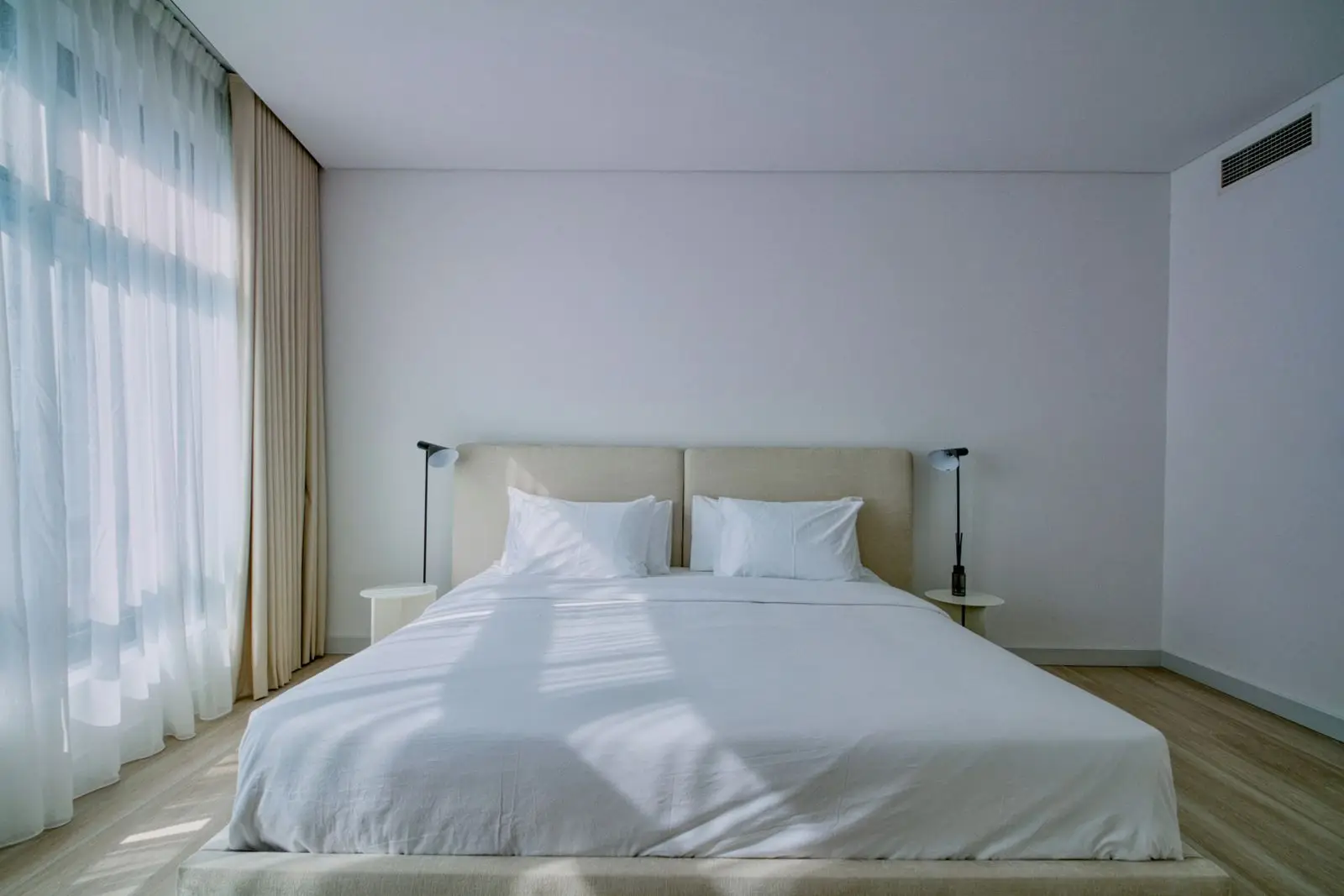
Want Your Home to Look Like This Without the Work?
Tell us about your place and we will send you a price. No walkthrough required, no obligation.
- Free quote with no obligation
- Non toxic and pet friendly products
- Bonded and insured, serving DFW since 2002
- 24 hour guarantee on our service
Prefer to talk? (214) 430-4447
By completing this form I acknowledge that I will receive informational text messages from E&R Cleaning Services. I can opt out at any time by replying STOP. Standard message rates may apply.