A renovation can look finished from the floor up and still leave fine dust hiding in places most people never think to check. Cleaning light fixtures and vents after a renovation is one of the last steps contractors skip. It is also one of the first places homeowners notice dust resettling within days of moving back in.
This guide covers exactly how to clean light fixtures and air vents after construction work. It explains why this step gets missed so often, and what happens if it stays undone.
Cleaning light fixtures and vents after a renovation means removing covers and grilles where possible. It also means vacuuming or wiping away fine dust, and cleaning any HVAC components that circulated dust during the project. Skipping this step lets settled dust recirculate through the air for weeks after a renovation ends.
Why cleaning light fixtures and vents gets skipped
Construction work generates extremely fine dust from drywall sanding, sawing, and demolition. That dust is light enough to stay airborne for hours and settle on horizontal and elevated surfaces long after the visible mess gets swept up.
Light fixtures sit above eye level, which means they are easy to overlook during a final walkthrough. Vents are worse. Post-construction dust in vents does not just sit on a surface, it gets pulled into the HVAC system and can recirculate through the home every time the system runs.
Where dust hides after a renovation
- Inside light fixture covers and globes, especially recessed and flush-mount styles
- On top of ceiling fan blades and light kits
- Inside supply and return air vent covers
- Along the HVAC system’s filter housing and nearby ductwork access points
These spots rarely get attention during a standard post-renovation sweep, which focuses on floors, counters, and visible surfaces.
How to clean light fixtures after construction
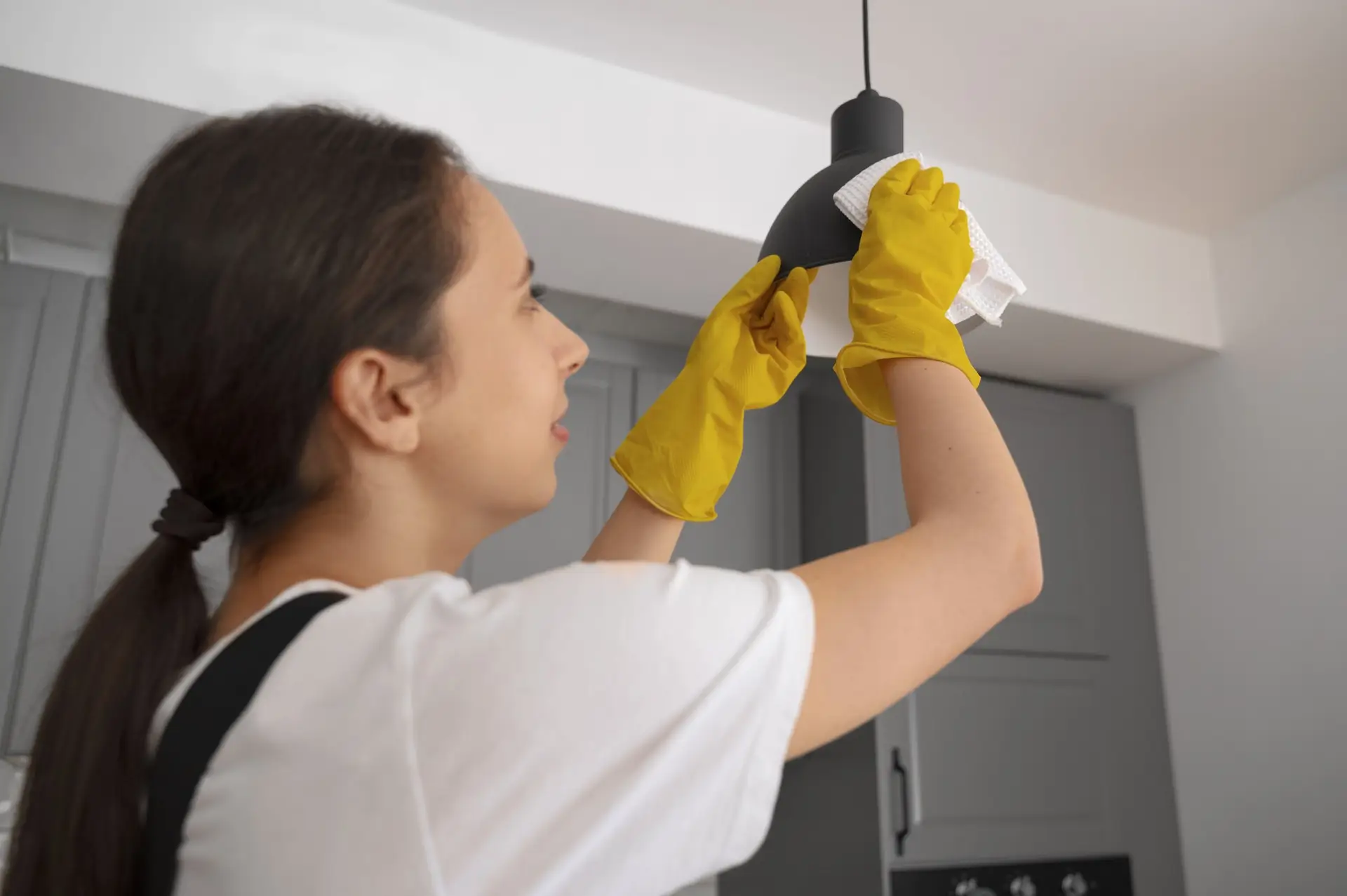
Cleaning light fixtures after a renovation takes more care than a routine dusting, since fine construction dust clings differently than everyday household dust.
- Turn off power to the fixture at the breaker before removing any covers or bulbs.
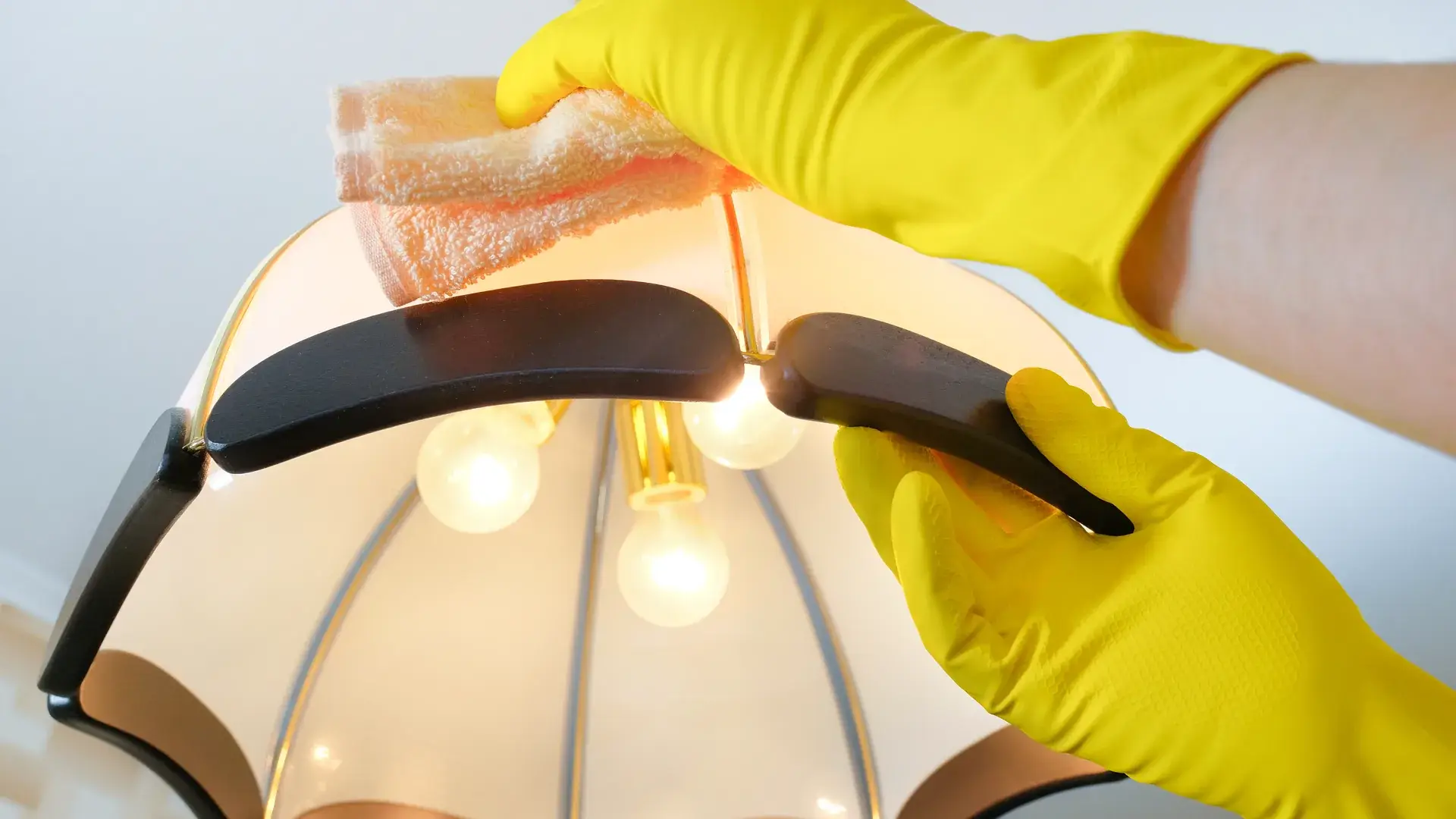
- Remove glass globes, shades, or covers where the fixture design allows.
- Wipe or wash removable covers with a mild soap solution, then dry fully before reinstalling.
- Vacuum fixed fixtures that cannot be removed, using a soft brush attachment to avoid scratching finishes.
- Wipe down ceiling fan blades individually, since spinning a dusty fan after cleaning the room redistributes dust right back onto cleaned surfaces.
- Reinstall covers and restore power only once everything is fully dry.
Cleaning fixtures before the final flooring or carpet installation, when possible, prevents dust knocked loose during this process from settling onto freshly finished floors.
How to clean vents after construction
Cleaning vents after construction involves more than wiping the visible grille, since dust pulled into the system during the renovation needs attention too.
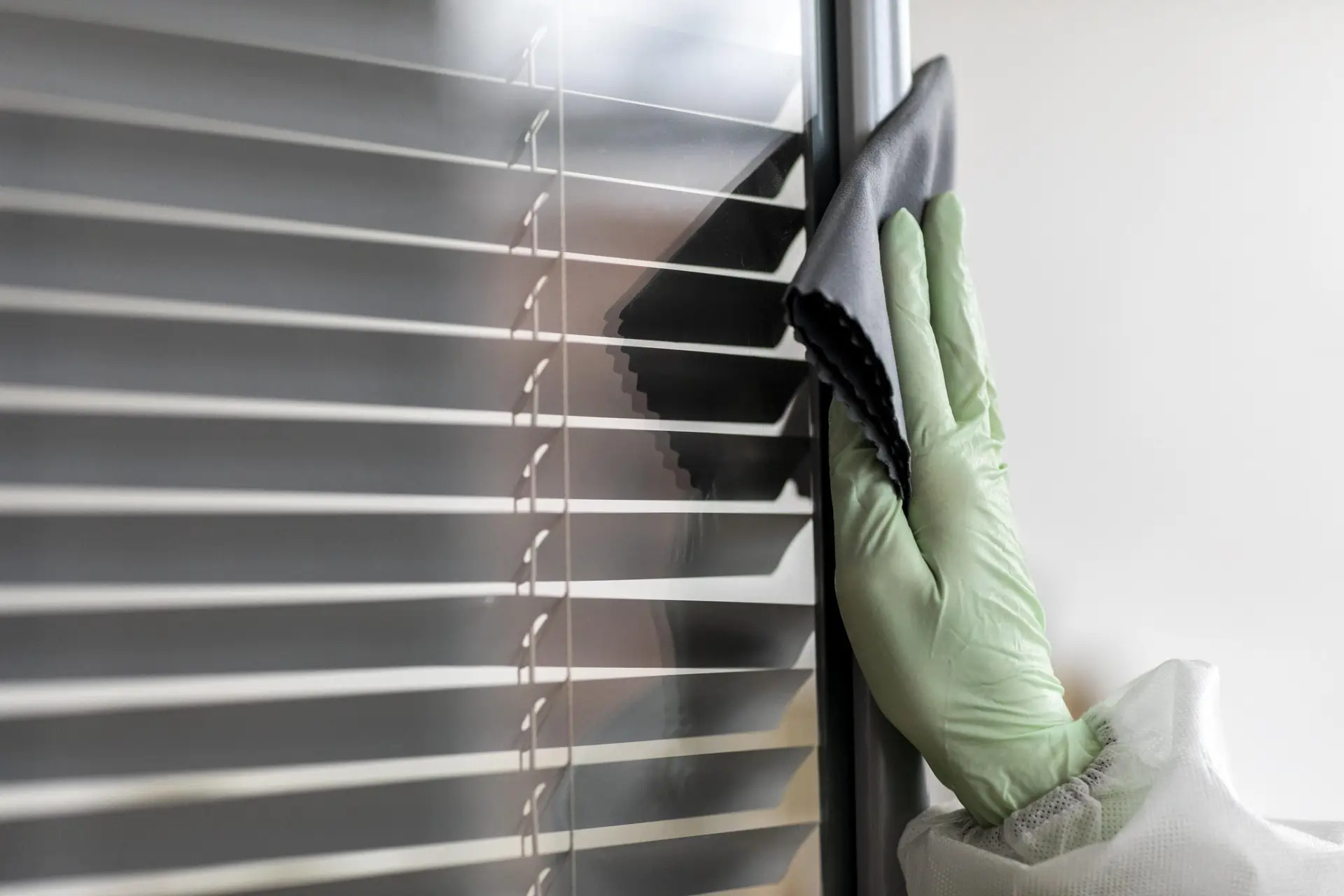
- Remove vent covers and wash them separately with soap and water, then dry completely before reinstalling.
- Vacuum inside the vent opening as far as the hose reaches, removing loose dust before it gets pulled deeper into ductwork.
- Replace the HVAC filter, since a filter loaded with construction dust restricts airflow and pushes more dust through the system.
- Schedule a professional duct cleaning if the renovation involved significant demolition or extended sanding, since standard vacuuming cannot reach dust deep inside ductwork.
Skipping the filter replacement is one of the most common oversights, since a single filter swap is inexpensive compared to the dust that recirculates through a clogged one.
Why a dust-free finish depends on this step
A contractor can deliver a flawless paint job and spotless floors. But a dust-free finish does not really exist if vents keep pushing fine particles back into the air every time the HVAC system cycles on. This is why post-construction cleaning that skips light fixtures and vents often leaves homeowners noticing dust again within a week of move-in. That happens even after everything looked clean on handoff day.
Common mistakes during post-construction vent and fixture cleaning
- Cleaning floors and counters thoroughly while skipping fixtures and vents entirely
- Running the HVAC system during active construction without a fresh filter in place, which pulls more dust into the ductwork than necessary
- Reinstalling vent covers and fixtures while still damp, which can trap moisture and attract more dust
- Assuming a quick wipe of the visible vent grille is enough, without addressing the filter or deeper ductwork
A cleaning crew experienced with post-renovation work typically treats fixtures and vents as a required checklist item, not an optional extra. Skipping them undoes much of the rest of the cleanup.
Tools that make this job easier
Cleaning light fixtures and vents after a renovation goes faster with the right supplies on hand before starting.
- A step ladder tall enough to reach ceiling fixtures and high vents safely
- A vacuum with a hose attachment and a soft brush head for fixtures and vent interiors
- Microfiber cloths, which trap fine construction dust better than a dry paper towel
- A screwdriver for removing vent covers and certain fixture covers that are screwed rather than clipped in place
- A spare HVAC filter on hand before starting, so the system is not left without one for long
Gathering these supplies before starting avoids interruptions partway through, especially once power is already shut off at the breaker for fixture work.
Coordinating this step with your contractor
Many homeowners assume light fixtures and vent cleaning is automatically included in a contractor’s final cleanup, when it often is not unless specifically requested. Asking the right questions before the project wraps up avoids a gap in the handoff.
- Ask whether the final cleanup includes light fixtures, ceiling fans, and vent covers specifically, not just floors and counters.
- Ask whether the HVAC filter was changed during the project and again at completion, since a filter left in place through demolition rarely survives the project usable.
- Request that vent covers be removed and cleaned, not just wiped on the outside, since dust commonly collects just inside the opening.
- If the project involved heavy demolition, ask whether duct cleaning is part of the scope or needs to be arranged separately.
Raising these questions before the final walkthrough, rather than after move-in, makes a real difference. The contractor becomes far more likely to address fixtures and vents as part of the original project, instead of as a costly afterthought.
Signs your renovation cleanup missed this step
- A fine layer of dust reappears on furniture or floors within days of finishing the project
- Vent covers show visible gray or white dust buildup along the slats
- A musty or chalky smell comes from vents when the HVAC system first runs after renovation
- Light fixtures look dim or hazy despite bulbs being replaced or working properly
Any of these signs point to dust still circulating from fixtures or ductwork, even if every other surface in the home looks finished.
According to the EPA, construction and renovation activities are a recognized source of indoor air contaminants. Proper cleanup of HVAC components after this kind of work is part of restoring healthy indoor air quality.
How often this matters beyond a single renovation
This level of attention is not a recurring weekly task, but it matters at specific points.
- Immediately after any renovation involving sanding, demolition, or drywall work
- After any project that required running the HVAC system while construction was active
- Before moving furniture or belongings back into a freshly renovated space
- As part of a final walkthrough checklist before considering a renovation complete
Outside of renovation projects, vents and fixtures only need normal seasonal dusting as part of a regular home cleaning routine.
Real scenario: dust returning after a kitchen remodel
A homeowner who completed a kitchen remodel noticed dust resettling on countertops within a week of the contractor finishing, despite a thorough final clean of all visible surfaces. The source turned out to be a loaded HVAC filter and a layer of fine dust inside the supply vents that had never been addressed. Replacing the filter and cleaning the vent interiors stopped the dust from returning, confirming that the issue had nothing to do with the countertops themselves.
FAQ
Do I need a professional for cleaning light fixtures and vents after a renovation? Light fixtures and accessible vent covers can usually be handled with careful DIY cleaning. Deep ductwork cleaning after major demolition or extended sanding is best left to a professional duct cleaning service.
How soon after a renovation should vents and fixtures be cleaned? As soon as major construction work finishes and before furniture or belongings move back in. Waiting allows settled dust to recirculate further through the HVAC system.
Will a new HVAC filter fix dust that is already inside the ductwork? A new filter stops more dust from being pulled in, but it will not remove dust already settled inside ducts. That requires manual cleaning or a professional duct service for thorough removal.
Can skipping this step affect indoor air quality? Yes. Fine construction dust left in vents and fixtures continues to circulate through the air every time the HVAC system runs. That can affect air quality, especially for household members with allergies or respiratory sensitivity.
Should cleaning light fixtures and vents happen before or after the final paint touch-up? After. Vacuuming and wiping fixtures and vents can knock loose extra dust, which is easier to address before final paint touch-ups and flooring installation rather than after.
Finishing the job, not just the visible parts
Cleaning light fixtures and vents after a renovation is the difference between a project that looks finished and one that actually is. Skipping this step leaves dust with an easy path back into the air, no matter how clean the rest of the space looks on handoff day.
Building this step into the project timeline, rather than treating it as an afterthought once the visible mess is gone, pays off. It saves homeowners from the frustrating experience of dust reappearing on freshly finished surfaces within days of move-in.
If your renovation needs a thorough final cleanup, our post-construction cleaning service covers fixtures, vents, and the fine dust standard cleaning crews often miss. For ongoing upkeep once the dust has settled for good, a regular cleaning service keeps the space looking finished. Contact us to schedule a post-renovation cleanup.
Keep Reading
Rather hand the work to a team that does this every day? See our deep cleaning service or call (214) 430-4447 for a free quote.
Want Your Home to Look Like This Without the Work?
Tell us about your place and we will send you a price. No walkthrough required, no obligation.
- Free quote with no obligation
- Non toxic and pet friendly products
- Bonded and insured, serving DFW since 2002
- 24 hour guarantee on our service
Prefer to talk? (214) 430-4447
By completing this form I acknowledge that I will receive informational text messages from E&R Cleaning Services. I can opt out at any time by replying STOP. Standard message rates may apply.