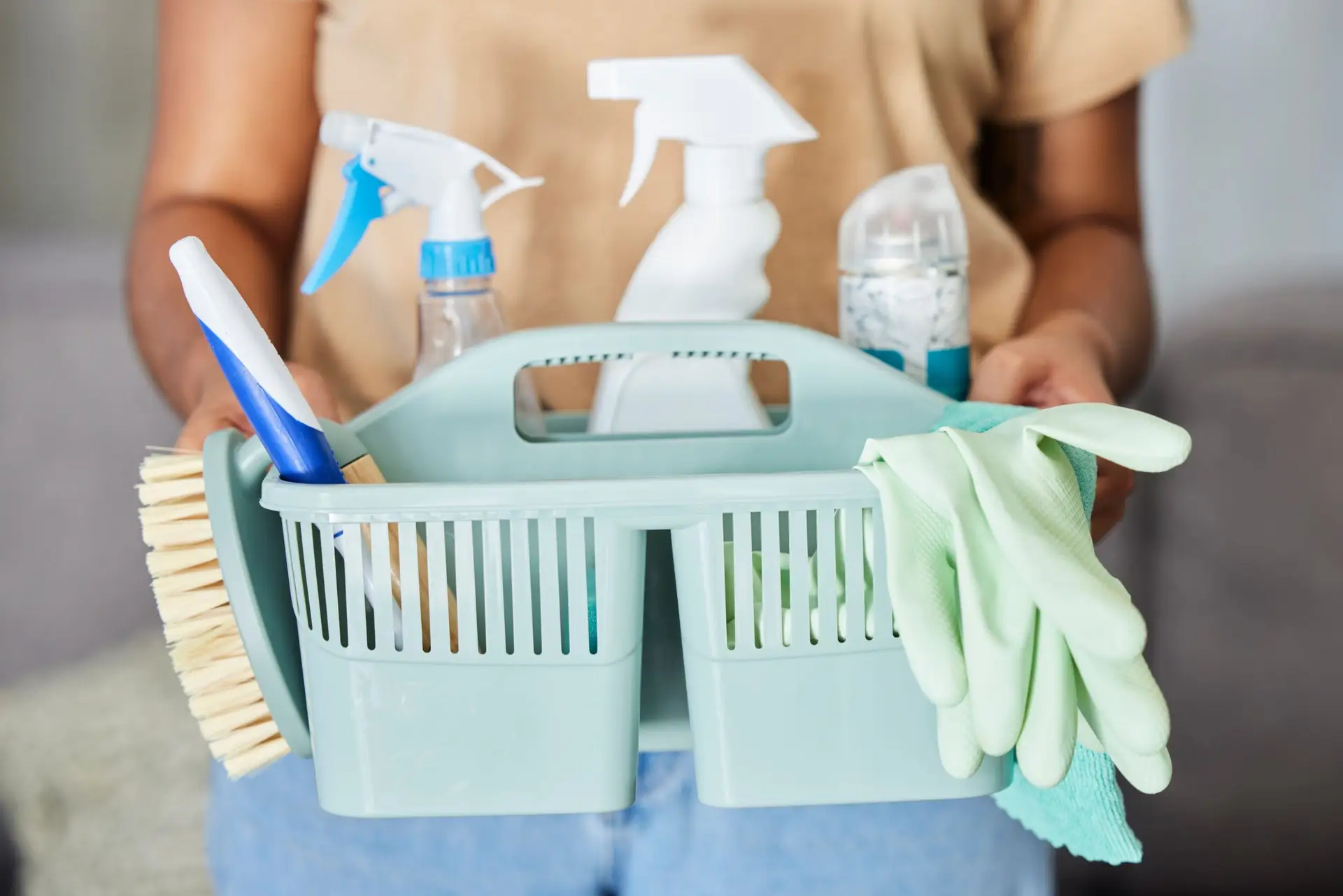

Keeping a home consistently clean is not about occasional deep cleaning. It is about maintaining daily and weekly habits that prevent dirt, dust, and bacteria from building up. Many homeowners start strong with cleaning routines, but consistency often fades after a few weeks. When that happens, homes slowly begin to feel messy again, even if they are cleaned regularly.
Building strong recurring cleaning routines helps create homes that stay clean without constant effort. When cleaning becomes part of a normal schedule, it becomes easier to maintain comfort, reduce stress, and keep spaces guest-ready. Over time, consistent maintenance protects surfaces, improves indoor air quality, and reduces large cleaning workloads.
Why Consistent Maintenance Cleaning Keeps Homes Guest-Ready
Many homeowners rely on last-minute cleaning before guests arrive. While this may work temporarily, it often creates stress and rushed cleaning results. Regular maintenance prevents dirt from reaching overwhelming levels in the first place.
Following structured recurring cleaning routines helps homes stay consistently presentable. Instead of reacting to messes, homeowners stay ahead of buildup. This is especially important for busy households balancing work, family schedules, and daily responsibilities.
Consistent maintenance cleaning supports:
- Stable home appearance
- Better indoor air quality
- Reduced bacteria buildup
- Lower long-term cleaning costs
- Less stress before visitors arrive
Maintaining routine cleaning schedules also helps protect flooring, appliances, and surfaces from long-term damage.
Routine Cleaning vs Deep Cleaning: Why Both Matter
Understanding the difference between routine and deep cleaning helps build realistic expectations and schedules.
Routine cleaning typically focuses on maintenance tasks such as wiping surfaces, vacuuming floors, and cleaning bathrooms and kitchens. Deep cleaning focuses on removing hidden buildup from areas like baseboards, grout lines, vents, and appliance interiors.
Effective recurring cleaning focuses on maintenance cleaning, while deep cleaning resets the home periodically. Most homes require both approaches working together.
How Scheduled Cleaning Helps Build Long-Term Habits
Cleaning schedules reduce decision fatigue. Instead of deciding when to clean each time, the schedule already provides structure. When tasks are predictable, they become easier to maintain.
Strong recurring cleaning routines work best when tasks are small, time blocks are realistic, and responsibilities are shared across household members.
Daily Cleaning Habits That Maintain Surface Cleanliness
Daily maintenance prevents visible dirt and clutter from building up. These small tasks often take less than 15 minutes but make a big difference.
Helpful daily tasks include wiping kitchen counters, cleaning bathroom sinks, and clearing dining surfaces. Maintaining these daily habits strengthens recurring cleaning consistency and reduces weekly cleaning workload.
Weekly Floor Cleaning to Control Dirt and Allergens
Floors collect dirt, dust, and debris quickly. Weekly floor cleaning helps control allergens and maintain cleanliness.
Weekly floor cleaning typically includes vacuuming carpets and mopping hard floors. Maintaining floor care is a major part of effective recurring cleaning routines.
Bathroom Cleaning Rotations That Maintain Hygiene
Bathrooms require consistent cleaning because moisture supports bacteria growth. Weekly cleaning helps prevent soap buildup and odor development.
Weekly bathroom cleaning often includes toilet sanitation, shower surface wiping, and sink cleaning. Maintaining bathroom sanitation supports overall recurring cleaning success.
Kitchen Maintenance Cleaning That Prevents Grease Buildup
Kitchens collect grease and food residue quickly. Regular cleaning prevents long-term buildup and odor development.
Weekly kitchen maintenance often includes appliance exterior cleaning, sink sanitation, and trash area cleaning. Maintaining these tasks supports strong recurring cleaning kitchen hygiene.
Fabric Cleaning That Supports Indoor Air Quality
Fabrics trap dust and odors. Washing bedding, towels, and blankets regularly helps maintain fresh indoor air.
Fabric care plays an important role in recurring cleaning because it reduces dust circulation and improves indoor comfort.
Entryway Cleaning That Prevents Dirt Spread
Entryways bring outdoor dirt inside. Regular entryway cleaning prevents contamination from spreading into living spaces.
Entryway cleaning often includes mat cleaning, shoe area cleaning, and door handle wiping. Maintaining entry zones supports whole-home recurring cleaning effectiveness.
Monthly Detail Cleaning That Reduces Deep Cleaning Needs
Monthly cleaning tasks help reduce heavy buildup. These tasks often include baseboard dusting, vent cleaning, and cabinet exterior cleaning.
Adding monthly detail tasks supports long-term recurring cleaning maintenance and reduces deep cleaning workload.
Seasonal Cleaning That Supports Long-Term Home Maintenance
Seasonal cleaning resets the home and prepares it for weather changes. Seasonal cleaning often includes appliance deep cleaning, storage reorganization, and garage dust removal.
Combining seasonal tasks with recurring cleaning helps maintain consistent home cleanliness.
Building a Cleaning Schedule That Is Easy to Follow
Cleaning schedules must be realistic to succeed long term. The most effective cleaning systems layer tasks by frequency.
Typical layered cleaning schedules include daily light cleaning, weekly maintenance cleaning, monthly detail cleaning, and seasonal deep cleaning. Layered recurring cleaning schedules help prevent cleaning overwhelm.
Professional Cleaning Services vs DIY Cleaning
Many homeowners combine professional and DIY cleaning. Professional services help maintain consistency and handle heavy cleaning tasks. DIY cleaning supports daily maintenance between visits.
Using professional services strengthens overall recurring cleaning consistency and reduces time stress.
Why Busy Families Benefit From Maintenance Cleaning Systems
Busy households benefit most from structured cleaning systems. Maintenance cleaning prevents weekend cleaning overload and reduces daily stress.
Maintaining recurring cleaning routines helps families maintain clean homes with less time investment.
Why Rental and Commercial Properties Need Maintenance Cleaning
Rental and commercial properties rely on consistent cleaning to maintain sanitation and customer satisfaction. Regular cleaning helps maintain brand reputation and guest comfort.
Consistent recurring cleaning supports sanitation standards and improves guest experiences.
Common Maintenance Cleaning Mistakes to Avoid
Some mistakes reduce cleaning effectiveness. These include trying to clean everything daily, skipping scheduled cleaning weeks, ignoring basic maintenance cleaning, and forgetting deep cleaning cycles.
Avoiding these mistakes improves recurring cleaning results.
Signs Professional Cleaning Support May Be Needed
Some homes benefit from professional maintenance cleaning support. Common signs include constant cleaning backlog, busy work schedules, frequent guests, and large home size.
Professional support strengthens recurring cleaning consistency and results.
Long-Term Benefits of Consistent Cleaning Maintenance
Consistent cleaning protects home surfaces and reduces repair costs. Maintaining regular cleaning helps protect flooring finishes, appliances, cabinets, and bathroom tile.
Strong recurring cleaning routines help prevent premature wear and extend surface lifespan.
How to Stay Consistent With Maintenance Cleaning
Consistency requires simple habit-building strategies. Pair cleaning tasks with daily routines, set reminders, and keep supplies accessible.
Building habits strengthens long-term recurring cleaning success.
Building a Calm, Clean, Low-Stress Home Environment
Homes stay cleaner when maintenance becomes automatic. Small daily habits prevent large cleaning problems later. Structured cleaning helps reduce stress and improve daily comfort.
Following strong recurring cleaning routines helps maintain homes that feel organized, fresh, and guest-ready. Over time, consistent cleaning improves indoor air quality, protects surfaces, and supports healthier living spaces.
Maintaining regular schedules ensures homes stay cleaner with less effort. Strong recurring cleaning habits help homeowners maintain comfort, cleanliness, and long-term home value across every season.
Keep Reading
- House Cleaning Schedule
- Apartment Deep Cleaning Service
- Free Cleaning for Cancer Patients
- What You Are Actually Buying in Allen TX
Rather hand the work to a team that does this every day? See our deep cleaning service or call (214) 430-4447 for a free quote.
Want Your Home to Look Like This Without the Work?
Tell us about your place and we will send you a price. No walkthrough required, no obligation.
- Free quote with no obligation
- Non toxic and pet friendly products
- Bonded and insured, serving DFW since 2002
- 24 hour guarantee on our service
Prefer to talk? (214) 430-4447
By completing this form I acknowledge that I will receive informational text messages from E&R Cleaning Services. I can opt out at any time by replying STOP. Standard message rates may apply.